Introduction to Varicocele
Varicocele is a condition characterized by the abnormal dilation of veins within the scrotum. It resembles varicose veins but occurs in the pampiniform plexus. Subtle at first, yet impactful over time.
Understanding the Anatomy of Testicular Veins
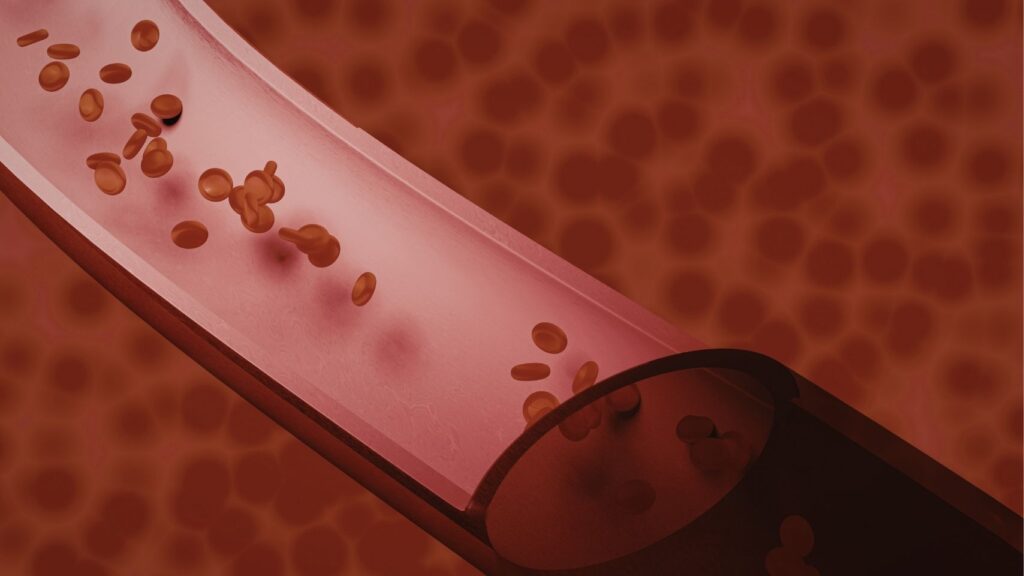
The testicular veins form an intricate vascular network responsible for regulating temperature and blood flow. When these veins lose valvular competence, blood stagnates. Pressure builds. Veins dilate.
What Causes Varicocele?
The etiology is often linked to faulty venous valves. Genetic predisposition may contribute. Increased intra-abdominal pressure can exacerbate the condition, leading to progressive venous engorgement.
Symptoms That Indicate Varicocele
Dull Scrotal Pain
A dragging sensation or aching discomfort is frequently reported. It often intensifies after prolonged standing.
Visible or Palpable Veins
Enlarged veins may appear as a “bag of worms.” A distinctive yet concerning sign.
Fertility Concerns
Varicocele can impair sperm quality and production. A silent contributor to male infertility.
Why Treatment Is Important
Untreated varicocele may lead to chronic discomfort and compromised fertility. Early intervention ensures better outcomes and prevents long-term complications.
Overview of Treatment Options
Management ranges from conservative monitoring to surgical ligation. However, minimally invasive solutions are gaining prominence.
What Is Varicocele Embolization?
Varicocele embolization is a percutaneous, image-guided procedure that occludes abnormal veins. It redirects blood flow through healthy pathways. Precise. Efficient.
How Embolization Differs from Surgery
Unlike surgery, embolization requires no incisions. No sutures. Recovery is faster. The approach is less intrusive yet equally effective.
Step-by-Step Procedure of Varicocele Embolization
Pre-Procedure Preparation
A thorough evaluation is conducted. Imaging confirms diagnosis. Patients are briefed about the procedure.
Catheter Insertion
A thin catheter is introduced through a small puncture, typically in the groin or neck.
Blocking the Abnormal Veins
Coils or sclerosants are deployed to occlude the affected veins, halting abnormal blood flow.
Completion and Recovery
The catheter is removed. A small bandage is applied. Patients usually return home the same day.
Why Patients Prefer Embolization
Minimal discomfort. No visible scars. Rapid recovery. These advantages make embolization an appealing choice.
Safety Profile of Varicocele Embolization
The procedure boasts an excellent safety record. Complications are uncommon. Precision imaging enhances procedural accuracy.
Common Side Effects of Varicocele Embolization
Mild Pain or Discomfort
A transient ache may occur post-procedure. It typically resolves within a few days.
Bruising at the Insertion Site
Minor bruising is possible. It is superficial and self-limiting.
Temporary Swelling
Mild swelling may develop but subsides quickly with proper care.
Rare but Possible Risks
Infection
Though rare, infection can occur. Proper sterile technique minimizes this risk.
Coil Migration
Infrequent but noteworthy. Advanced techniques significantly reduce this possibility.
Allergic Reaction to Contrast Dye
Some patients may exhibit sensitivity to contrast agents used during imaging.
How Safe Is the Procedure Compared to Surgery?
Embolization offers a safer alternative with fewer complications. It eliminates risks associated with anesthesia and surgical incisions.
Success Rates and Effectiveness
Clinical outcomes are highly favorable. Symptom relief is significant. Fertility parameters often improve.
Recovery Timeline and Aftercare
Recovery is swift. Most individuals resume routine activities within 24–48 hours. Minimal restrictions apply.
Impact on Fertility and Testosterone Levels
Improved blood flow can enhance testicular function. Many patients observe better sperm quality and hormonal balance.
Who Is the Ideal Candidate?
Patients with symptomatic varicocele or infertility concerns are prime candidates. Especially those seeking non-surgical solutions.
Who Should Avoid Embolization?
Individuals with certain anatomical variations or contraindications to contrast dye may require alternative treatments.
Cost and Accessibility
Costs vary depending on healthcare facilities and expertise. Increasing availability has made the procedure more accessible.
Choosing the Right Specialist
Expertise is paramount. An experienced interventional specialist ensures optimal safety and results.
Long-Term Outcomes and Recurrence
Recurrence rates are low. Long-term outcomes are encouraging when performed by skilled professionals.
Myths vs Facts About Varicocele Embolization
Misconceptions abound. Embolization is not experimental. It is a well-established, evidence-based treatment.
Frequently Asked Questions (FAQs)
Is the procedure painful?
It is minimally invasive and generally well-tolerated.
How long does it take?
Typically completed within an hour.
When can normal activities resume?
Usually within one to two days.
Conclusion: A Safe and Modern Solution
Varicocele embolization represents a paradigm shift in treatment. Safe. Effective. Minimally invasive. For those seeking relief without surgery, it offers a compelling solution grounded in precision and patient comfort.