Introduction to Vascular Malformations
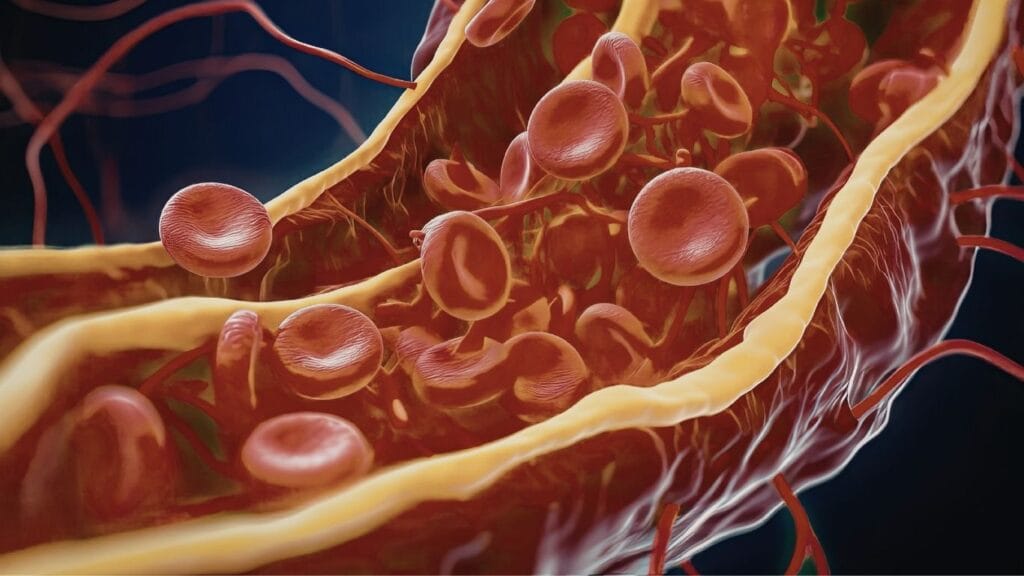
Vascular malformations are intricate anomalies of blood vessels that arise due to aberrant vascular development. Present at birth, they often evolve insidiously, becoming more prominent over time.
Understanding the Complexity of Vascular Anomalies
These lesions are not uniform. They embody a spectrum of disorders involving arteries, veins, lymphatics, or a confluence of these systems. Their behavior can be unpredictable. Their impact, profound.
Difference Between Vascular Malformations and Hemangiomas
A crucial distinction exists. Hemangiomas are proliferative and tend to regress. Vascular malformations, however, persist. They enlarge progressively and require targeted intervention.
Types of Vascular Malformations
Arteriovenous Malformations (AVMs)
AVMs represent high-flow lesions where arteries connect directly to veins. This bypasses capillary beds, creating turbulent circulation and potential tissue damage.
Venous Malformations (VMs)
These low-flow anomalies are characterized by dilated, dysfunctional veins. They often present with pain and swelling, especially during physical exertion.
Lymphatic Malformations
Composed of abnormal lymphatic channels, these lesions can cause fluid accumulation, recurrent infections, and cosmetic deformities.
Capillary Malformations
Commonly seen as birthmarks, these involve superficial capillaries. Though often benign, some cases require intervention for cosmetic or functional reasons.
Causes and Risk Factors
Most vascular malformations arise from embryological developmental errors. Genetic mutations may also contribute. External factors rarely play a primary role.
Signs and Symptoms Patients Should Recognize
Pain and Swelling
Persistent discomfort, often exacerbated by activity, is a frequent complaint.
Skin Discoloration
Bluish or reddish hues may appear, depending on the type of malformation.
Functional Impairment
Lesions near joints or vital structures can restrict movement or disrupt normal function.
When to Seek Medical Intervention
Early consultation is imperative when symptoms worsen or interfere with daily life. Delayed care can complicate treatment.
Potential Complications if Left Untreated
Untreated malformations may lead to bleeding, thrombosis, infection, or even cardiac strain in high-flow lesions.
Diagnostic Evaluation of Vascular Malformations
Clinical Assessment
A detailed examination provides initial insights into the lesion’s nature and severity.
Ultrasound Imaging
Doppler ultrasound evaluates blood flow characteristics, distinguishing between high-flow and low-flow lesions.
MRI and CT Scans
Advanced imaging delineates the lesion’s extent and involvement of surrounding tissues.
Angiography
This gold-standard technique maps vascular architecture with precision, guiding treatment strategies.
Treatment Goals and Patient Expectations
The primary objective is symptom control and functional improvement. Complete eradication is not always feasible. Realistic expectations are essential.
Overview of Modern Treatment Approaches
Contemporary management emphasizes minimally invasive techniques. Precision. Safety. Efficiency.
Non-Surgical Treatment Options
Sclerotherapy
A sclerosant is injected into the lesion, causing endothelial damage and eventual collapse of abnormal vessels.
Laser Therapy
Laser energy targets superficial lesions, reducing discoloration and improving appearance.
Compression Therapy
External compression aids in symptom relief and prevents lesion progression in select cases.
Minimally Invasive Interventional Procedures
Embolization Techniques
Embolic agents are introduced to occlude abnormal vessels, particularly in high-flow AVMs.
Image-Guided Therapies
Real-time imaging ensures accurate delivery of treatment, minimizing collateral damage.
Surgical Treatment Options
Surgery is reserved for select cases. Often complex. Sometimes necessary. It may involve excision of the malformation or reconstruction of affected structures.
Combination Therapy Approach
A multimodal strategy often yields optimal results. Combining sclerotherapy, embolization, and surgery enhances efficacy.
Role of Interventional Radiology
Interventional radiology has revolutionized treatment. It offers targeted, image-guided solutions with unparalleled precision.
Benefits of Minimally Invasive Treatments
Reduced Pain
Procedures are designed to minimize discomfort, often performed under local anesthesia.
Faster Recovery
Patients typically resume normal activities within days, not weeks.
Minimal Scarring
Tiny puncture sites replace large incisions, preserving aesthetic integrity.
Step-by-Step Treatment Journey
The journey begins with consultation and imaging. A tailored plan follows. Treatment is executed with precision. Follow-up ensures sustained outcomes.
Recovery, Rehabilitation, and Follow-Up
Post-treatment care is crucial. Regular monitoring prevents recurrence and manages residual symptoms.
Outcomes and Success Rates
Outcomes vary based on lesion type and severity. However, modern techniques have significantly improved success rates and patient satisfaction.
Risks and Limitations of Treatment
No intervention is devoid of risk. Recurrence, incomplete resolution, or complications may occur. Informed decision-making is vital.
Cost Considerations and Accessibility
Costs depend on treatment modality and complexity. Increasing availability of advanced care has improved accessibility for patients.
Choosing the Right Specialist
Expertise matters. A skilled specialist ensures accurate diagnosis, effective treatment, and optimal outcomes.
Lifestyle and Long-Term Management
Maintaining a healthy lifestyle, monitoring symptoms, and adhering to follow-up schedules are essential for long-term success.
Frequently Asked Questions (FAQs)
Are vascular malformations curable?
They can be managed effectively, though complete cure depends on the type and extent.
Is treatment painful?
Most modern treatments are minimally invasive and well-tolerated.
How long does recovery take?
Recovery is typically quick, often within a few days.