Patient guide
Spider veins vs varicose veins: sclerotherapy, laser and what to expect
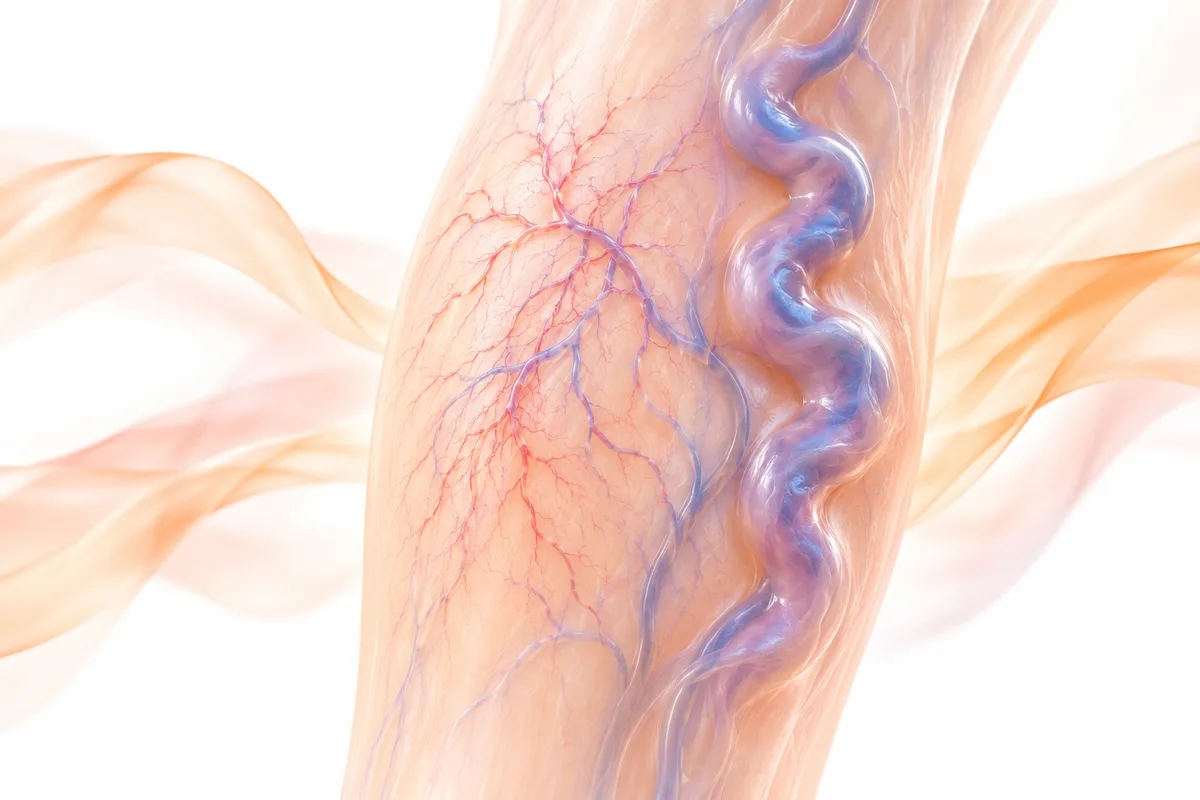
How spider veins differ from varicose veins, when they need treatment, how sclerotherapy works, how many sessions are usual, and when a deeper scan is worth doing first.
Advantages over surgery at a glance
- Fine needleNo cuts, no stitches
- No anaesthesiaDone in the clinic
- Walk outBack to routine
- A few sessionsResults build over weeks
- Scan firstRule out a deeper leak


Watch Dr. Nagateja explain this
Short videos on the same topic, in plain language.
How to tell them apart
Both come from weakened veins, but they behave differently.
| Spider veins | Varicose veins | |
|---|---|---|
| Size | Hair-thin | Often 3 mm or more, visibly bulging |
| Look | Flat, web-like, red or blue | Raised, rope-like, twisted |
| Symptoms | Usually none, sometimes mild itching | Aching, heaviness, swelling, cramps |
| Cause | Often small surface veins | Often a leaking deeper vein |
| Usual treatment | Sclerotherapy | Closure of the leaking vein, then sclerotherapy for branches [1] |
How sclerotherapy works
A very fine needle places a medicine called a sclerosant into the vein. It irritates the inner wall, the vein closes and fades over the following weeks as the body absorbs it. Larger veins may be treated as foam, which fills the vein better and is guided by ultrasound [1, 2].
Treatment is done in the clinic without anaesthesia. Most people walk out and resume normal routine, with a stocking or bandage for a short time.
What to expect
Typical points to know before you start:
- Most people need more than one session for a leg with many veins.
- Mild stinging, bruising and small raised welts are common for a short while.
- Treated veins may look darker before they fade, which can take weeks to months.
- New spider veins can appear over time, so treatment controls the problem rather than guaranteeing it never returns.
- Walk daily after treatment and avoid hot baths, saunas and heavy exercise for a short period as advised.
When to scan first
If you have spider veins together with aching, swelling or visible bulging veins, ask for a duplex ultrasound before cosmetic treatment. If a deeper vein is leaking, closing it first with laser or glue gives longer-lasting results than treating surface veins alone [1].
Frequently asked questions
- Do spider veins need treatment?
- Not for health reasons if there are no symptoms. People usually treat them for appearance or mild discomfort. A scan helps rule out a deeper problem.
- How many sclerotherapy sessions will I need?
- It depends on how many veins are involved. Many people need two or three sessions, spaced a few weeks apart.
- Is sclerotherapy safe?
- It is widely used and generally well tolerated. Common effects are bruising, stinging and skin staining. Rare risks are explained at your consultation [1, 2].
- Is sclerotherapy or laser better for spider veins?
- Sclerotherapy is the usual first choice for leg spider veins [1]. Surface laser is sometimes used for very fine facial veins or when needles are not suitable.
References
- Society of Interventional Radiology. Superficial venous disease (varicose veins): patient information. Read the source
- NHS. Varicose veins: treatment. Read the source
- Mayo Clinic. Varicose veins: diagnosis and treatment. Read the source
Want to discuss your options?
Speak with the Clinic Seven team.