Patient guides
Clear answers for your next decision.
Surgery is not always the only way. Discover the image-guided options that may let you avoid it, what recovery looks like, and the questions to discuss with your doctor.
Written and reviewed by Dr. Nagateja Bonala, Vascular & Interventional Radiologist.
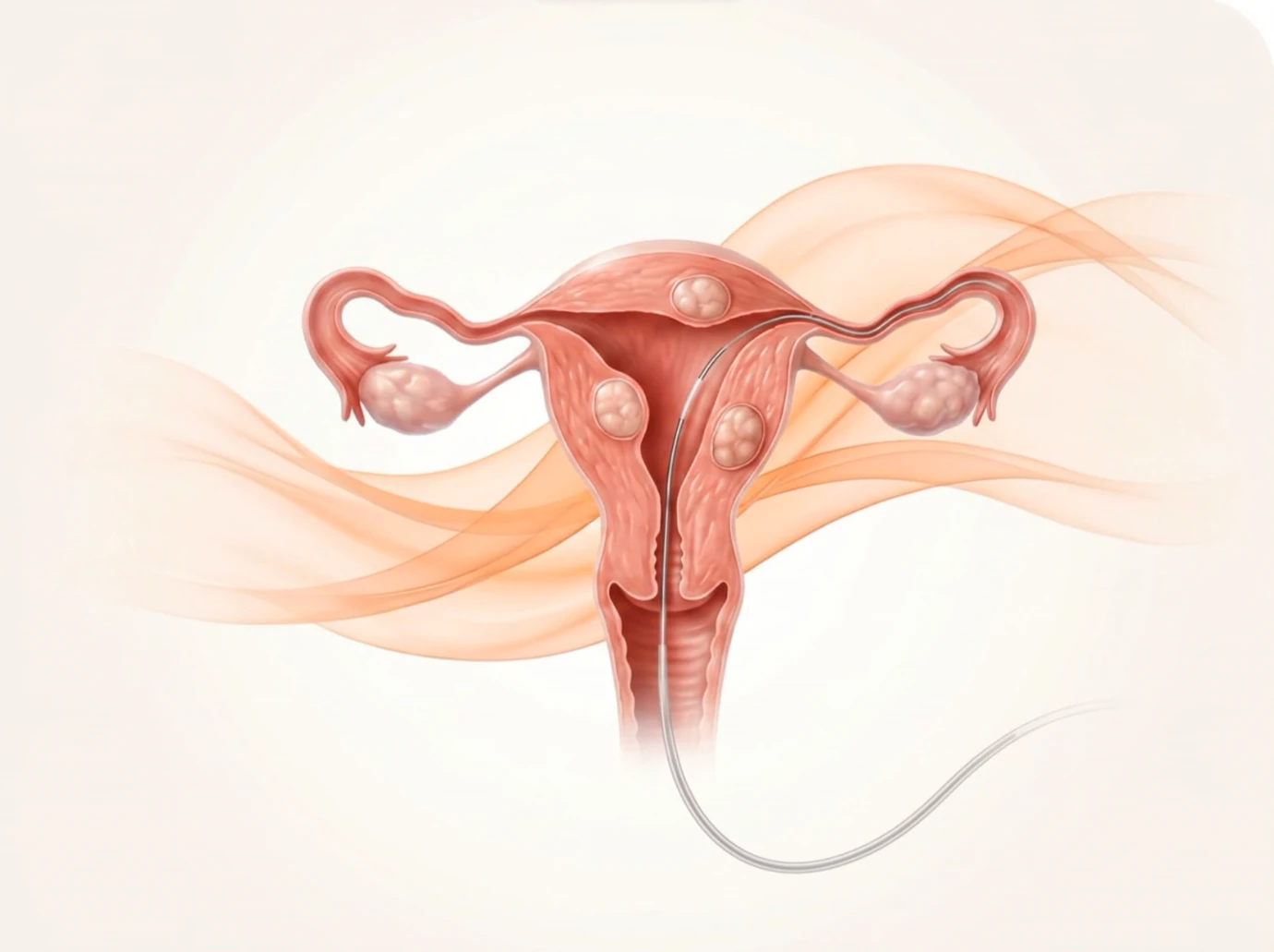
UFE vs hysterectomy for fibroids: what the trials show
How uterine fibroid embolization (UFE) compares with hysterectomy for symptomatic fibroids: quality of life, recovery, satisfaction at 5 and 10 years, the chance of needing further treatment, and where myomectomy fits, with references.
Read the guideExplore more guides
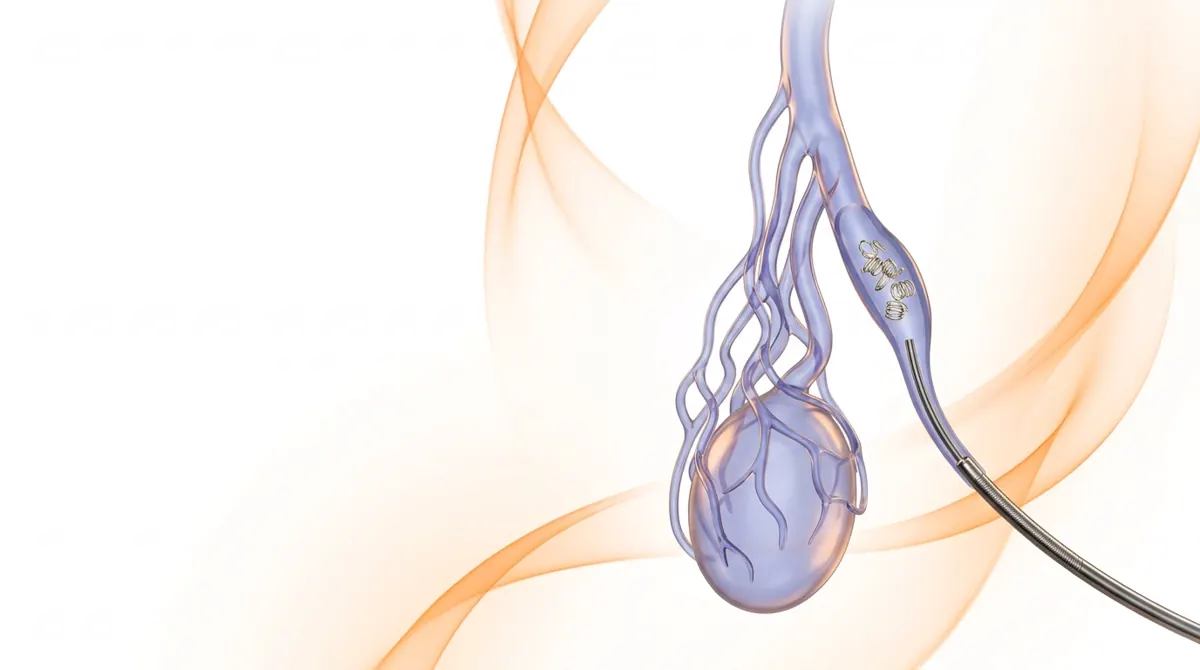
Varicocele embolization vs surgery: what the evidence shows
How varicocele embolization compares with surgical repair: success and recurrence, pain relief, fertility and pregnancy rates, complications such as hydrocele, and who each option suits, with references.
Read the guide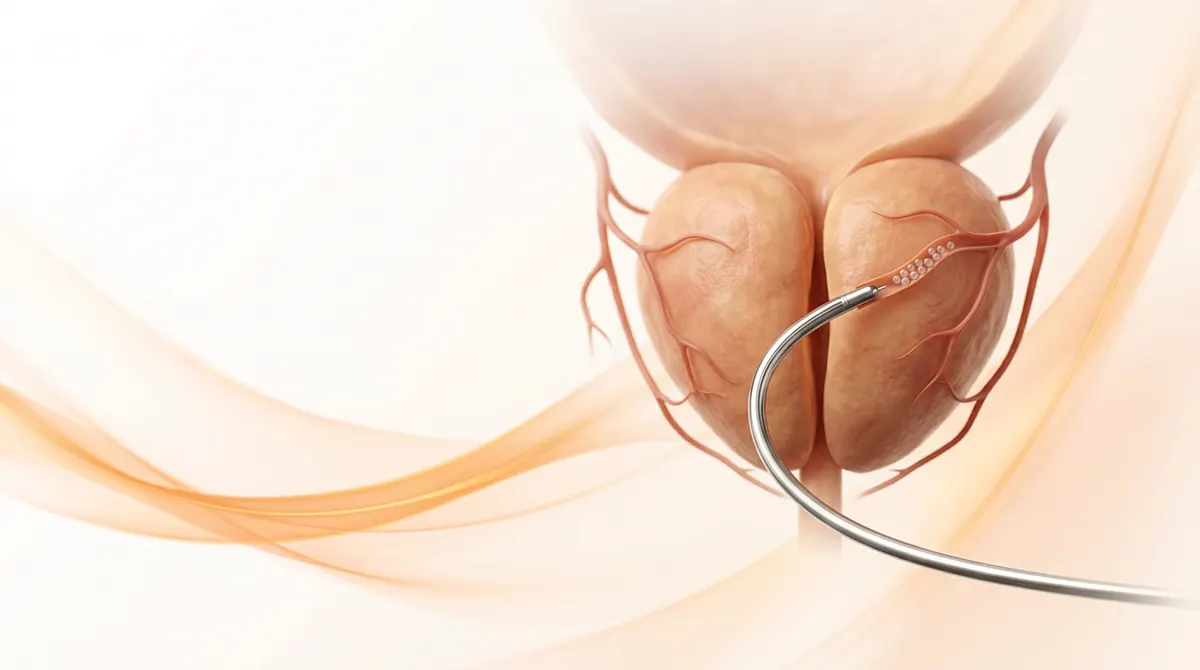
Prostate artery embolization (PAE) for BPH: what the evidence shows
How prostate artery embolization compares with TURP and with a sham procedure for enlarged prostate (BPH) symptoms: symptom relief, long-term results, side effects, sexual function and who it suits, with references.
Read the guide
DVT clot removal: why an extensive clot needs more than blood thinners
Why a deep vein thrombosis (DVT) that extends beyond the thigh into the pelvic veins (iliofemoral DVT) does better with catheter-based clot removal than with blood thinners alone: long-term leg health, post-thrombotic syndrome, and what the trials show, with references.
Read the guide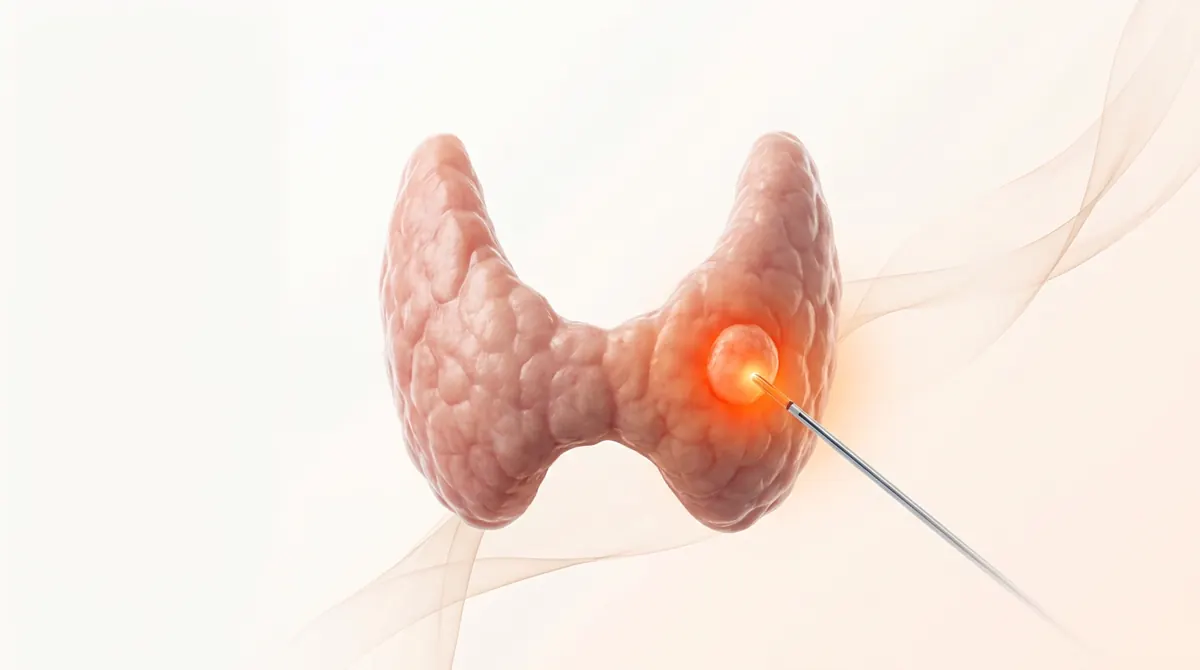
Thyroid nodule ablation vs surgery: which is right for a benign nodule?
How thyroid nodule ablation (radiofrequency or microwave) compares with surgery for benign nodules: shrinkage, thyroid function, complications, regrowth and who each option suits, with references.
Read the guideThyroid nodule embolization vs ablation: what the evidence says
Thyroid artery embolization and thermal ablation (radiofrequency or microwave) compared: how each works, the evidence behind them, the risks, and which patients each may suit, with references.
Read the guide