Image-Guided Biopsy, FNAC and Drainage in Hyderabad Clear answers.
No operation.
Needle biopsy, FNAC and drainage, guided live by ultrasound or CT.
A needle, not an operation.
Many are done as day-care with local anaesthetic. No referral needed to book.
Needle biopsy, FNAC and drainage of fluid or pus, guided live by ultrasound or CT. Done through the skin, usually with local anaesthetic and without an operation.
About Biopsy & Drainage
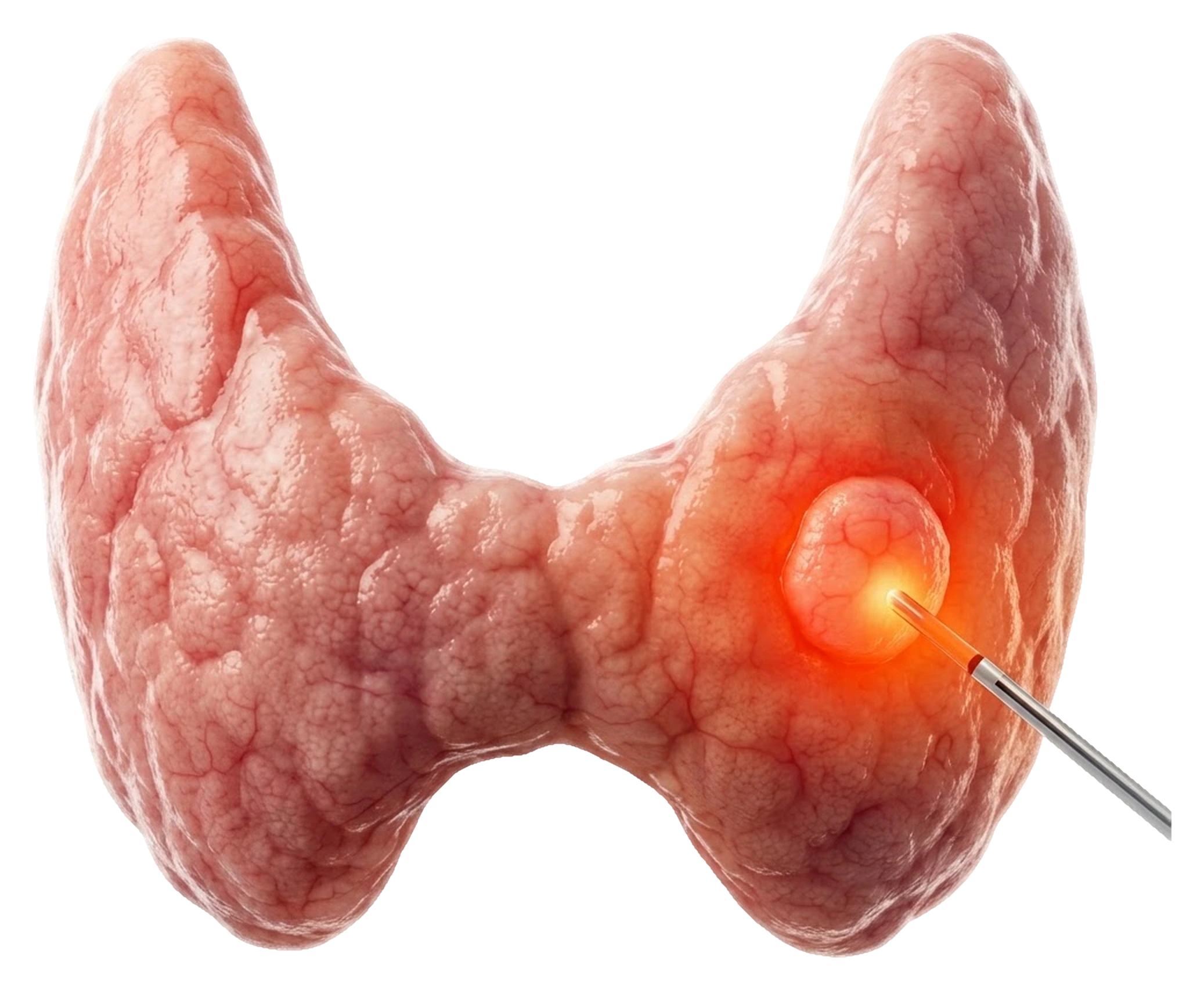
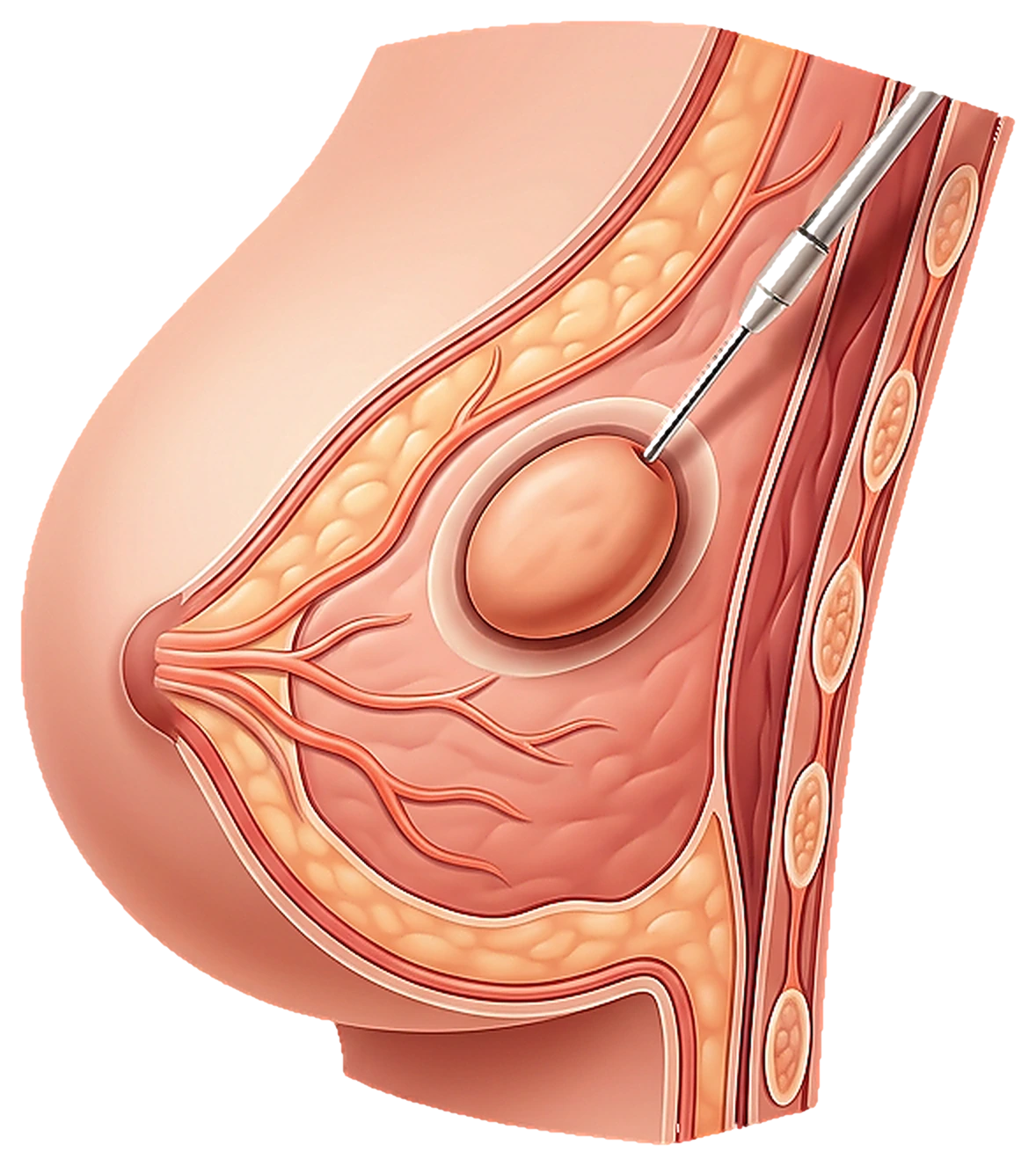
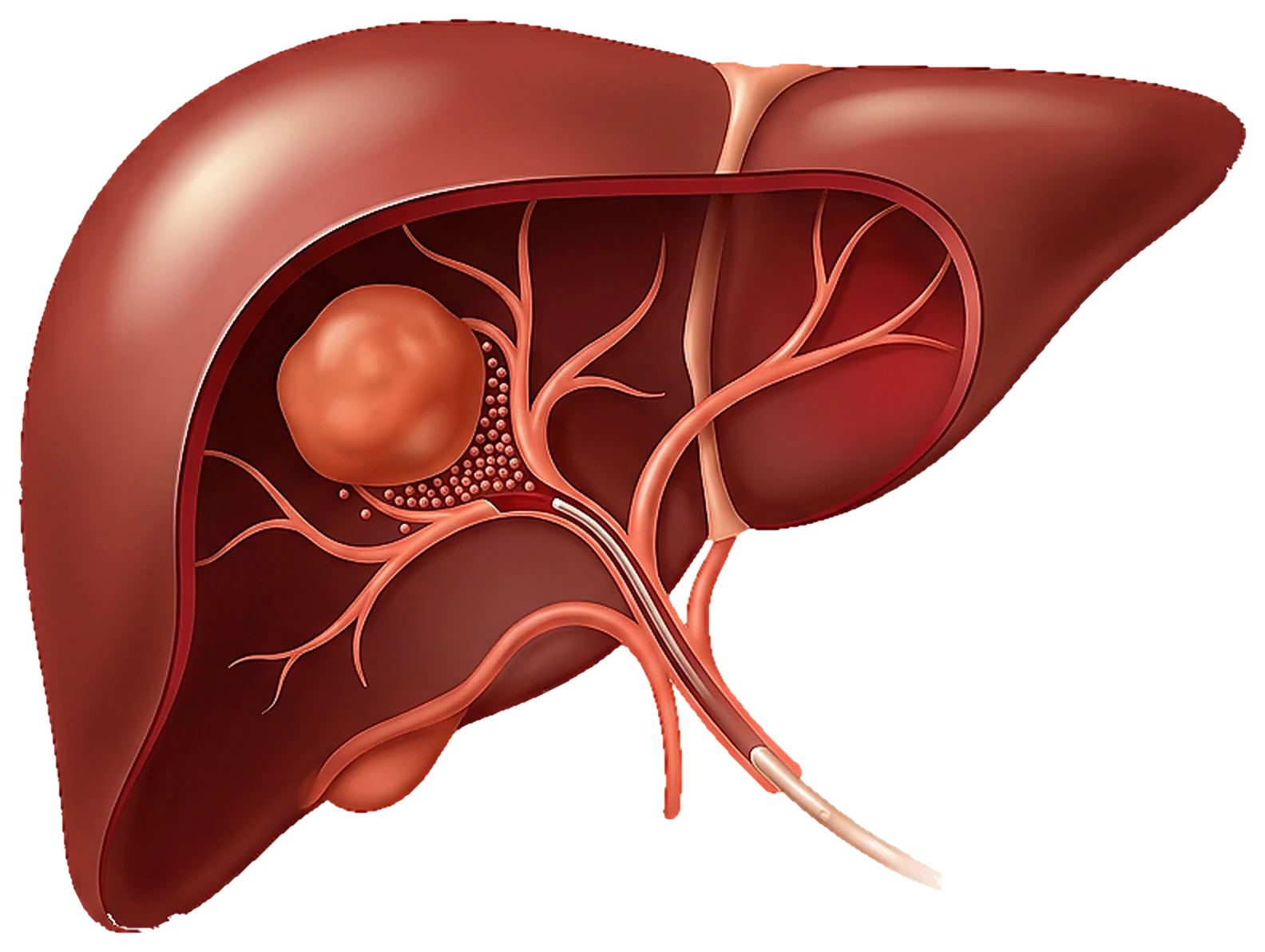
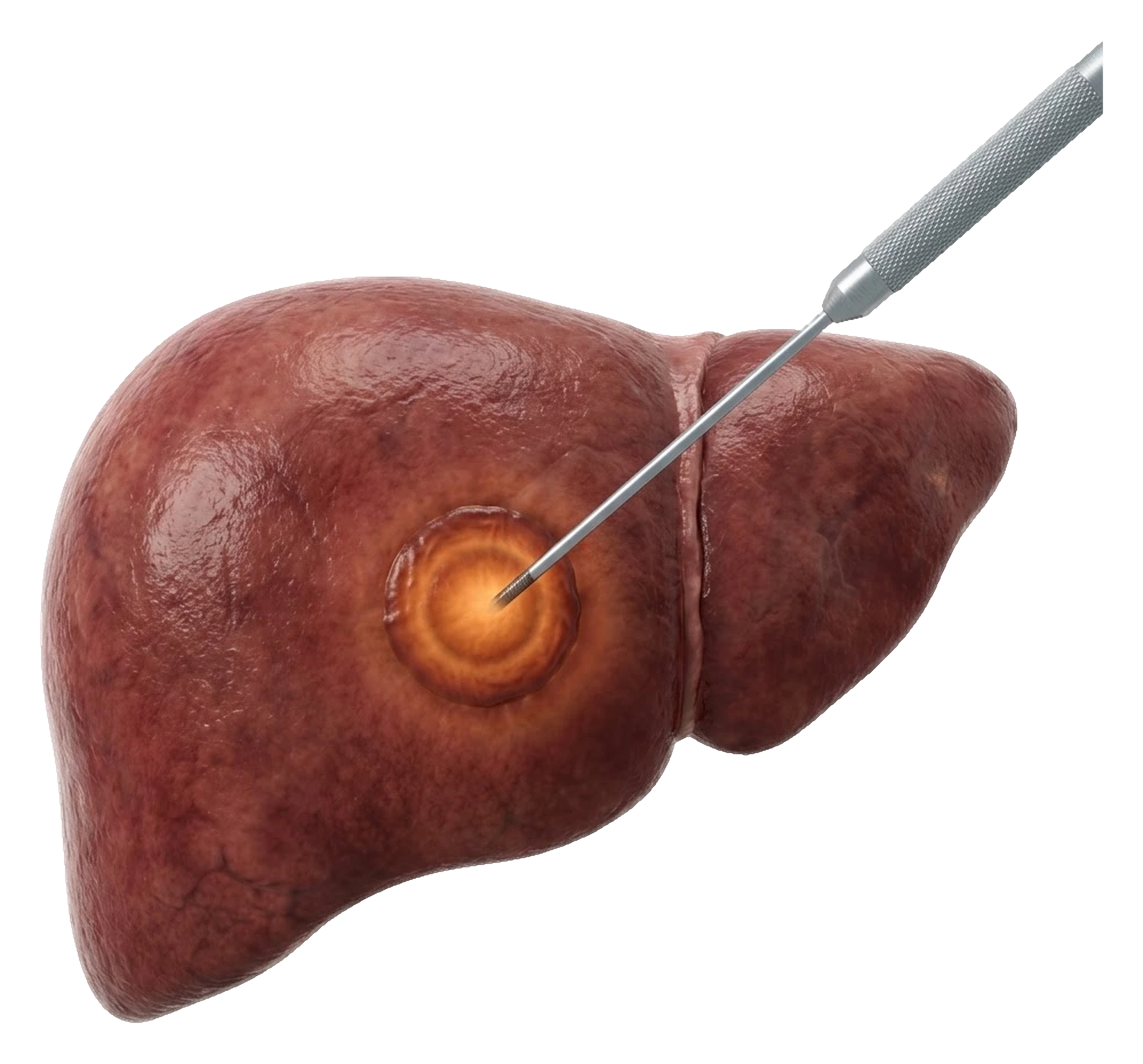
Image-guided biopsy and drainage use ultrasound, CT or X-ray to guide a needle or a thin tube to the exact spot that needs sampling or draining. Because the tip stays visible on the screen all the time, the procedure is done through a small puncture in the skin, usually with only local anaesthetic. A biopsy takes a sample to find out what a lump, nodule, shadow or enlarged gland is. FNAC uses a very fine needle to take cells. A core (Trucut) biopsy uses a slightly wider needle to take a thin piece of tissue. Drainage removes fluid or pus, either in one sitting, such as fluid tapping from the abdomen or chest, or by leaving a thin catheter, such as a pigtail, in place for a few days.
At Clinic Seven in Hyderabad, Dr. Nagateja Bonala, an interventional radiologist, does these procedures. You do not need a referral to book. Send your scans and reports on WhatsApp and he will explain which procedure fits your problem. A biopsy gives a diagnosis and is not a treatment, and drainage relieves symptoms while the cause still has to be treated. Some problems need surgery or another specialist first, and an honest assessment will say so.
- A needle or thin tube through the skin, with no operation.
- Placed under live ultrasound or CT, so the doctor sees the needle tip.
- Local anaesthetic numbs the area in most cases.
- Many biopsies and fluid taps are day-care.




Personalized scenarios are presented during consultation. Individual results may vary.
Symptoms of Lumps, nodules and fluid collections that need a diagnosis or drainage
A biopsy or drainage procedure is considered when a scan or an examination finds something that needs to be identified or relieved, for example:
- A lump or swelling in the neck, breast, armpit or elsewhere that has not been explained
- A thyroid or breast nodule found on a scan
- A shadow or spot on a chest X-ray or CT
- A swollen belly from fluid (ascites)
- Breathlessness from fluid around the lung
- Fever and pain from a suspected abscess
- Jaundice or a blocked, infected kidney
If these symptoms sound familiar, book an evaluation with Dr. Nagateja Bonala at Clinic Seven, Hyderabad.
- •A blood-thinning plan that cannot be paused safely until it has been arranged
- •A target that cannot be reached safely with a needle
- •Emergencies such as severe breathlessness or sepsis, which need hospital emergency care first
- •Problems that need an operation or another specialist before a biopsy
How biopsy and drainage procedures work
Every step is planned and performed under image guidance by an Interventional Radiologist at Clinic Seven, Hyderabad.
- 01
Assessment
We review your scans and reports, check your medicines, especially blood thinners, and plan blood tests before the procedure.
- 02
Procedure
The skin is numbed and the needle or tube is guided to the spot under live ultrasound or CT. Tissue, cells, fluid or pus is collected.
- 03
Observation
You are watched for a short time. Most people go home the same day. If a drain stays in, you get clear care instructions.
- 04
Results
Samples go to the laboratory. Simple reports take a day or two, and tissue biopsies with special stains can take up to about a week. Your doctor explains the next step.
Image-guided needle biopsy vs surgical biopsy
| Factor | Needle biopsy | Surgical biopsy |
|---|---|---|
| Approach | A needle through a small puncture in the skin | A cut to remove a larger piece or the whole lump |
| Anaesthesia | Local anaesthetic in most cases | Often general or regional anaesthesia |
| Guidance | Live ultrasound or CT shows the needle tip | Depends on how easily the area can be reached |
| Hospital stay | Many are day-care | Often longer |
| Scar | A tiny puncture mark for most | A surgical incision |
| Best for | Diagnosis of most lumps, nodules and shadows, and draining fluid or pus | When a larger sample or removal of the lump is needed |
The right choice depends on your scans, symptoms and goals. Your Interventional Radiologist will talk you through both options at your consultation.
Recovery timeline
Most patients treated at Clinic Seven follow a predictable recovery path with a follow-up review scheduled at the first visit.
- Most people are watched for a short time and then go home the same day.
- A drain or catheter stays for days and comes with care instructions.
- Call us or go to an emergency department for fever with chills, bleeding that does not stop, severe or worsening pain, breathlessness, or a drain that falls out or blocks.
Risks and safety
Every procedure carries some risk. These are the ones your Interventional Radiologist will review before Biopsy & Drainage.
- Bleeding is the main thing to plan around. Deep organ biopsies, kidney and bile duct drainage and deep abscess drainage carry a higher bleeding risk than fluid taps and superficial biopsies, so blood tests and a plan for blood thinners come first.
- Bruising, soreness or a small bleed at the puncture site.
- Infection, shown by fever with chills.
- Air in the chest after a lung or chest procedure, which is usually small.
What affects the cost
The cost of a biopsy or drainage procedure in Hyderabad depends on the procedure (FNAC, core biopsy, fluid tapping or a drain), the imaging used, the laboratory tests and whether you stay overnight. Health insurance can cover these procedures, subject to your policy terms. The exact cost is explained after consultation and review of your reports.
For a personalised estimate and insurance guidance, contact Clinic Seven with your recent reports.
- Type of procedure: FNAC, core biopsy, fluid tapping or catheter drainage
- Ultrasound or CT guidance
- Laboratory tests on the sample
- Day-care or a short stay, and room category
- Insurance, cashless approval and TPA processing
Is your insurance accepted?
Cashless with major insurers, TPAs and office group policies. CGHS and Singareni on credit.
Popular searches
Cover is confirmed by our team after checking your policy and treatment plan.
View all insurersDr. Nagateja Bonala
Dr. Nagateja Bonala is the Interventional Radiologist at Clinic Seven, Hyderabad, with 13+ years of image-guided practice. Every Biopsy & Drainage case is planned personally with a review of your scans and reports.
Plan your next step
Bring your recent scans, blood tests and any prior specialist notes. Message us on the contact page for directions, timings and insurance guidance.
Questions about Biopsy & Drainage
The skin and tissue along the needle path are numbed with local anaesthetic. You may feel pressure and a brief pinch, and a core biopsy can make a clicking sound. Most people describe it as uncomfortable rather than painful.
FNAC uses a very fine needle and collects loose cells for the cytology report. A core (Trucut) biopsy uses a slightly wider needle and takes a thin piece of tissue, so the structure can be studied. Either can be guided by ultrasound or CT, depending on where the target is.
No. You can book at Clinic Seven without a referral. Send your scans and reports on WhatsApp so that Dr. Nagateja Bonala can tell you which procedure fits.
Many biopsies and fluid taps are day-care. Drains, kidney or bile duct procedures and infected collections usually need a short stay. Your consultation confirms this for your case.
Simple cytology reports often take a day or two. Tissue biopsies take longer, and special stains can add several days. The laboratory gives the timeline when the sample is sent.
Do not stop them yourself. Whether and when to pause them depends on how likely the procedure is to bleed and why you take them. Your doctor will give you clear instructions.
No. A biopsy tells you what the problem is. Drainage relieves fluid or pus, but the cause, such as a tumour, an infection or a blocked duct, still has to be treated. The result helps decide what comes next.
Yes. Clinic Seven, Hyderabad offers image-guided biopsy, FNAC, fluid tapping and drainage procedures with Dr. Nagateja Bonala. Which procedure suits you is decided after your scans are reviewed, and insurance cover is checked before the procedure.
Related treatments at Clinic Seven
Minimally invasive, image-guided options by Dr. Nagateja Bonala in Hyderabad.