Uterine Fibroid Embolization (UFE) in Hyderabad Fibroid relief.
Without major surgery.
Image-guided treatment that preserves the uterus and shortens recovery.
There may be an option before major surgery.
UFE treats the fibroid while preserving the uterus.
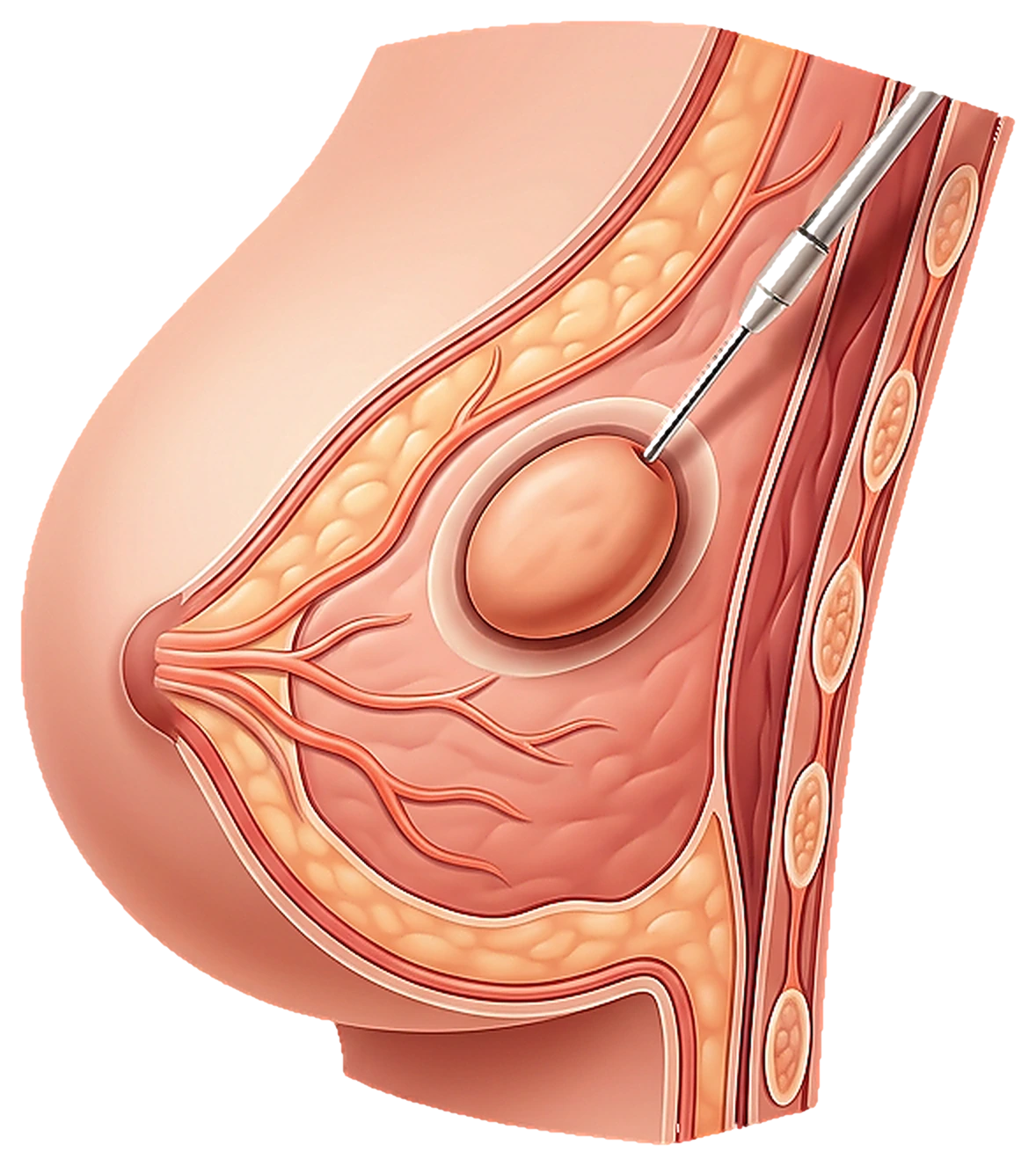
A non-surgical procedure that blocks the blood supply to fibroids, causing them to shrink while preserving the uterus.
About UFE
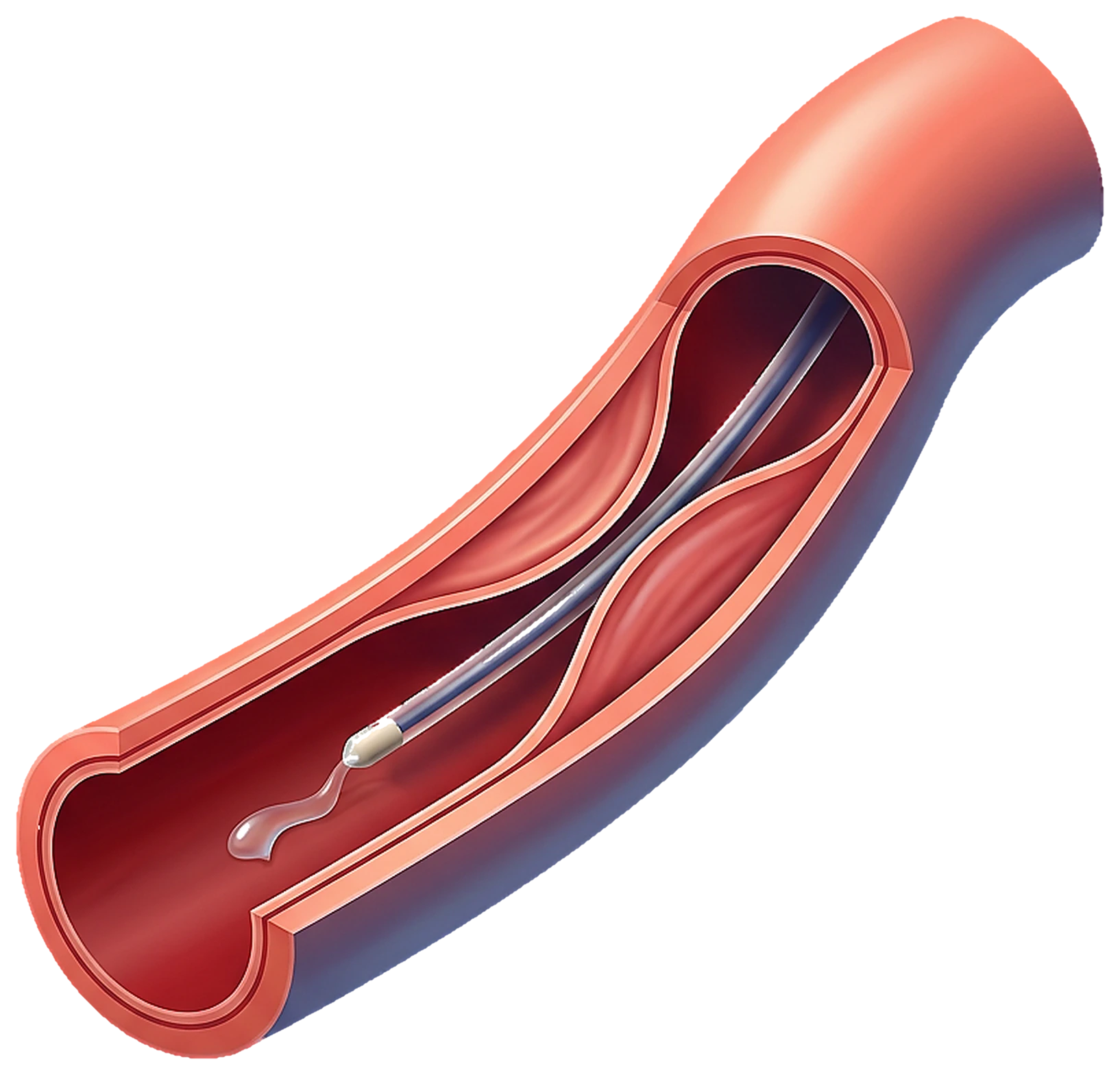
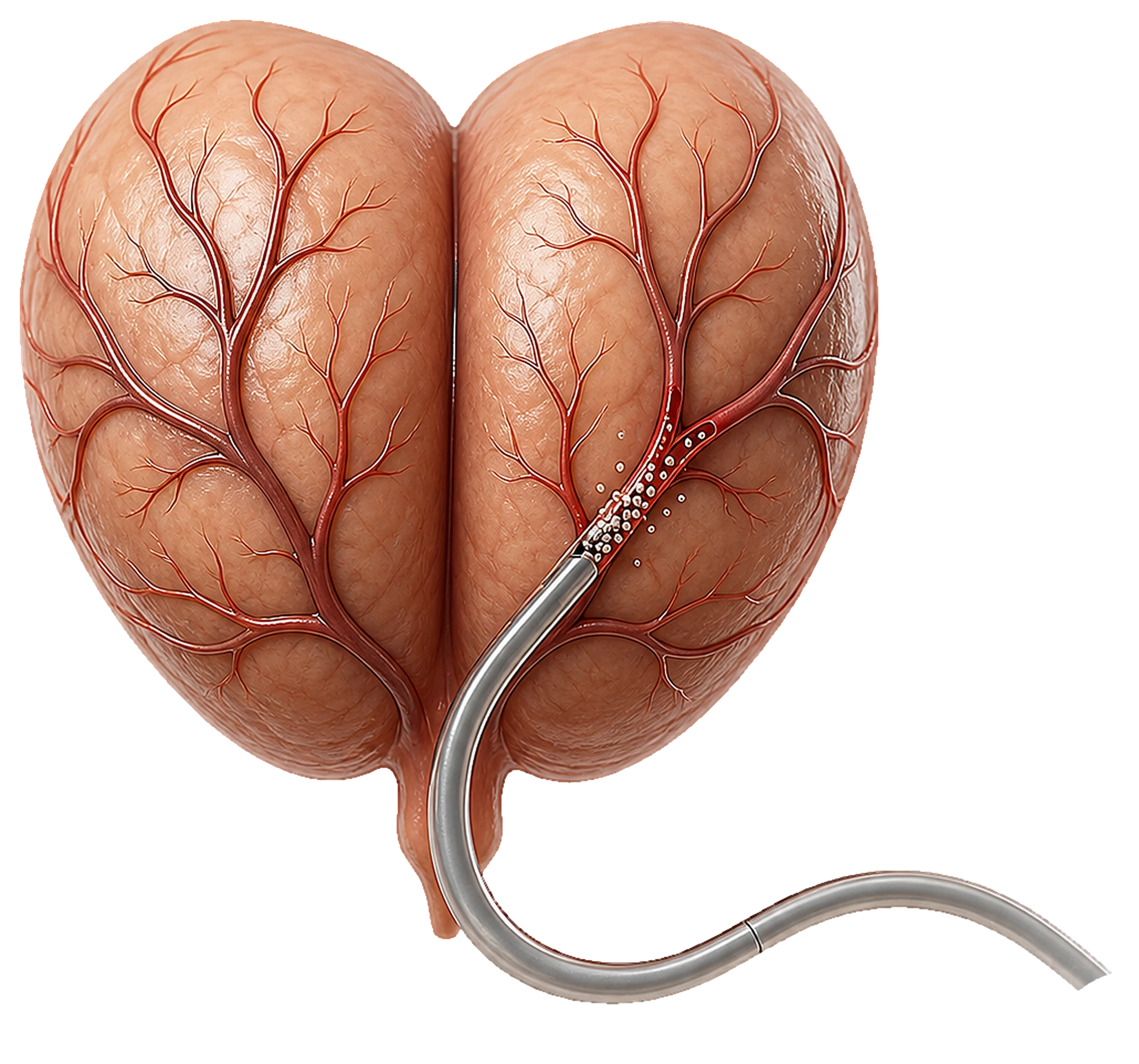
Uterine Fibroid Embolization (UFE), also called Uterine Artery Embolization (UAE), is an image-guided, uterus-preserving fibroid treatment performed by an Interventional Radiologist. At Clinic Seven in Hyderabad, a small catheter is placed into the uterine arteries through the wrist or groin and calibrated micro-particles are released to block the blood supply feeding each fibroid.
The fibroids then shrink over 3-6 months, easing heavy menstrual bleeding, pelvic pressure, urinary frequency and painful periods. UFE is a well-studied non-surgical alternative to hysterectomy and open myomectomy for women who want to avoid major surgery, keep their uterus, and get back to daily life quickly.
- Treats heavy periods, clots, pelvic pressure and bladder or bowel symptoms caused by fibroids.
- Preserves the uterus and avoids hysterectomy or open myomectomy.
- Published data from Johns Hopkins and RadiologyInfo report symptom relief in around 85-90% of women.
- Same-day or single-night stay, with return to routine in 7-10 days.




Symptoms of Uterine Fibroids
Fibroids can stay silent for years, but once they press on the uterus, bladder or bowel the symptoms tend to worsen with each cycle. UFE is usually considered when these affect your day-to-day life:
- Heavy or prolonged menstrual bleeding, often with clots
- Anaemia, fatigue and breathlessness from ongoing blood loss
- Pelvic pressure, bloating or a constant feeling of fullness
- Frequent urination or trouble emptying the bladder
- Constipation or a sense of bowel pressure
- Pain during periods or during intercourse
- Lower back or leg pain
- A visibly enlarging lower abdomen
If these symptoms sound familiar, book an evaluation with Dr. Nagateja Bonala at Clinic Seven, Hyderabad.
- •Pedunculated subserosal fibroids on a thin stalk
- •Suspected cancerous (sarcomatous) growth
- •Active pelvic infection until treated
- •Women planning immediate pregnancy, where myomectomy may be preferred
How the UFE procedure works
Every step is planned and performed under image guidance by an Interventional Radiologist at Clinic Seven, Hyderabad.
- 01
Access
A tiny nick in the wrist or groin is used to access the artery under image guidance.
- 02
Catheter Placement
A slim catheter is guided to the arteries supplying the fibroids.
- 03
Embolization
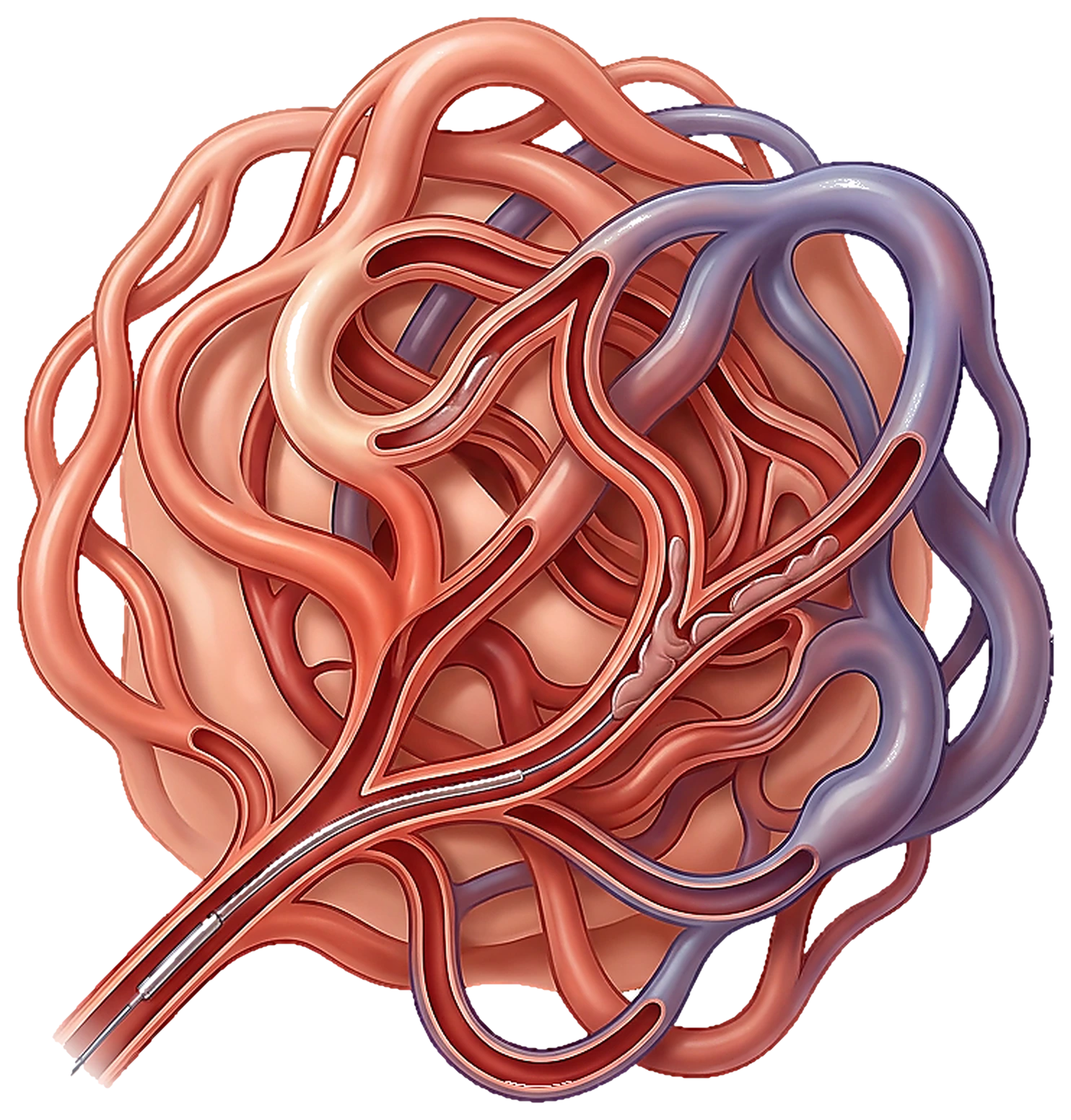
Micro-particles are released to block blood flow to the fibroids.
- 04
Fibroid Shrinkage
Deprived of blood supply, fibroids shrink over the following weeks.
UFE vs hysterectomy and myomectomy
| Factor | UFE | Hysterectomy / Myomectomy |
|---|---|---|
| Access | 2 mm pinhole in the wrist or groin | Abdominal or laparoscopic incisions |
| Anaesthesia | Local anaesthesia with light sedation | General anaesthesia |
| Uterus | Preserved | Removed (hysterectomy) or cut and repaired (myomectomy) |
| Multiple fibroids | All treated in one sitting | Depends on number and location |
| Hospital stay | Same day or one night | 2–4 days |
| Back to routine | 7–10 days | 4–6 weeks |
| Scarring | No scar | Visible surgical scar |
The right choice depends on your scans, symptoms and goals. Your Interventional Radiologist will talk you through both options at your consultation.
Recovery timeline
Most patients treated at Clinic Seven follow a predictable recovery path with a follow-up review scheduled at the first visit.
- Same-day discharge in most cases.
- Back to routine in 7-10 days.
- Symptoms improve over 3-6 months.
Risks and safety
Every procedure carries some risk. These are the ones your Interventional Radiologist will review before UFE.
- Mild pelvic cramping in the first 24-48 hours, well controlled with oral pain medicine.
- Small risk of infection or post-embolization syndrome.
- Rare impact on ovarian function, discussed in detail during consultation.
What affects the cost
The cost of Uterine Fibroid Embolization in Hyderabad depends on the number and size of fibroids, the embolic material used, and the hospital and room category. Most symptomatic fibroid cases confirmed on MRI or ultrasound are covered by health insurance, including many cashless and corporate plans.
For a personalised estimate and insurance guidance, contact Clinic Seven with your recent reports.
- Number and size of fibroids on MRI
- Type and volume of embolic particles used
- Hospital and room category
- Pre-procedure MRI and blood tests
- Insurance, cashless approval and TPA processing
- Day-care versus overnight stay
Get a rough idea of the cost
Choose what matters to you and we will show a guide. Nobody is committed to anything, and our team will never rush you.
Is your insurance accepted?
Cashless with major insurers, TPAs and office group policies. CGHS and Singareni on credit.
Popular searches
Cover is confirmed by our team after checking your policy and treatment plan.
View all insurersDr. Nagateja Bonala
Dr. Nagateja Bonala is the Interventional Radiologist at Clinic Seven, Hyderabad, with 13+ years of image-guided practice. Every UFE case is planned personally with a review of your scans and reports.
Plan your next step
Bring your recent scans, blood tests and any prior specialist notes. Message us on the contact page for directions, timings and insurance guidance.
Questions about UFE
UFE is a minimally invasive, image-guided fibroid treatment done by an Interventional Radiologist. Through a tiny puncture in the wrist or groin, a catheter is guided into the uterine arteries and small particles are released to block the blood supply to the fibroids. Cut off from their blood supply, the fibroids shrink over weeks and symptoms improve.
Published data from the Society of Interventional Radiology and Johns Hopkins Medicine show that around 85-90% of women report meaningful improvement in heavy bleeding, pelvic pressure and pain within 3-6 months of UFE. Studies also show quality-of-life scores comparable to hysterectomy.
UFE preserves the uterus, uses a much smaller access point and usually has a shorter recovery than hysterectomy. Hysterectomy is definitive but removes the uterus. The right choice depends on your age, fertility goals, fibroid size and number, MRI findings and personal preference.
Cramping is common in the first 24-48 hours as the fibroids lose their blood supply. This is well controlled with oral pain medicine and usually settles within a week. Most women return to office work in 7-10 days.
Pregnancy after UFE is possible for some women. If future pregnancy is your main goal, a detailed review by an Interventional Radiologist and Gynaecologist is important, since myomectomy may be preferred in specific fibroid patterns.
Treated fibroids usually stay shrunk. New fibroids can grow in a small number of women over the years. Follow-up ultrasound or MRI helps track the response and pick up any new lesions early.
The embolization itself typically takes about 45-90 minutes. Many patients go home the same day; some stay one night for pain control and go home the next morning.
Uterine Fibroid Embolization is offered at Clinic Seven, Hyderabad by Dr. Nagateja Bonala. Please bring your recent pelvic MRI or ultrasound, blood counts and any prior gynaecology reports to the consultation.
Related treatments at Clinic Seven
Minimally invasive, image-guided options by Dr. Nagateja Bonala in Hyderabad.