Patient guide
Do fibroids need surgery? When fibroid removal is and is not necessary
Do you need fibroid surgery? When fibroids can be left alone, which symptoms and findings do call for treatment, how size and position matter, and the options from medicines to myomectomy, UFE and hysterectomy.
Fibroid surgery at a glance
- Often no treatmentIf there are no symptoms
- Symptoms decideNot size alone
- Several optionsBetween watching and operating
- UFE: no cutsNo incision, no stitches
- Same-day UFEDay-care discharge



Watch Dr. Nagateja explain this
Short videos on the same topic, in plain language.
Fibroids are common, and often harmless
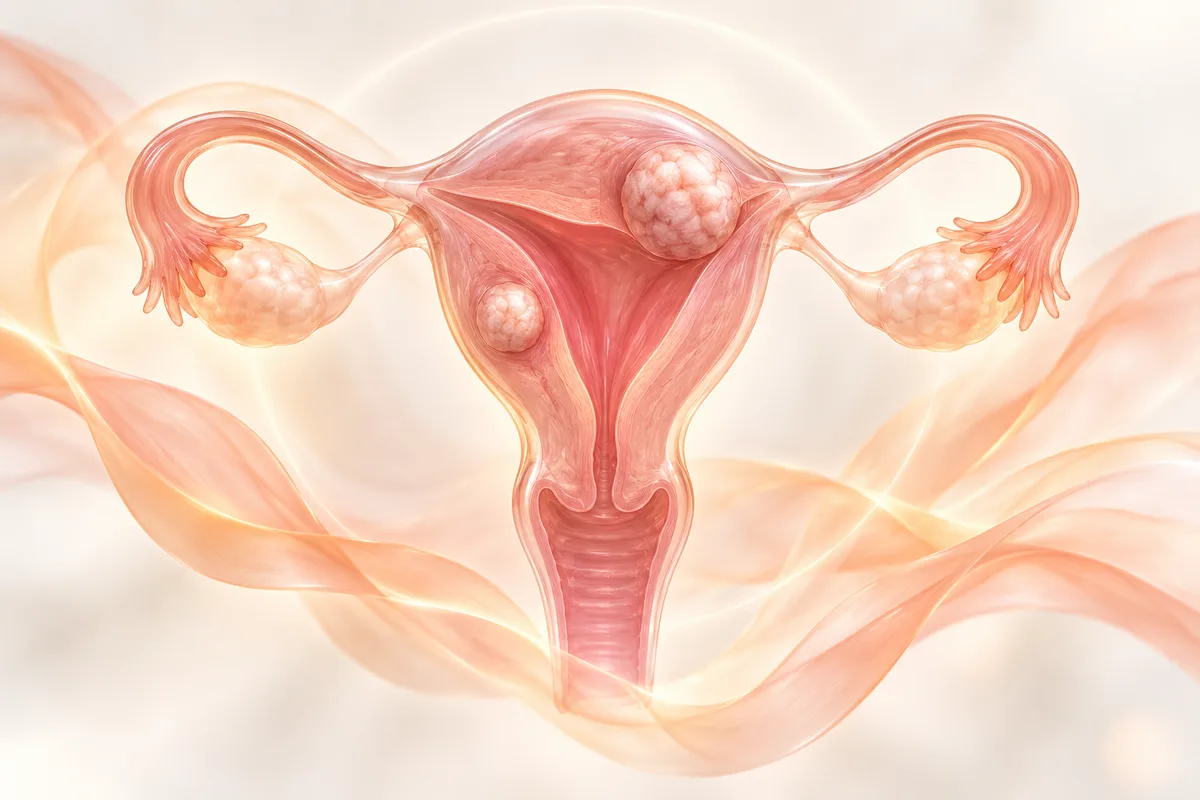
Fibroids are non-cancerous growths in the muscle of the uterus and are the most common solid growth in women. They are also the leading reason hysterectomy is performed, but many women benefit from options other than hysterectomy [1]. Many fibroids are found by chance on a scan and never cause trouble.
The first question is therefore not how big they are, but whether they are causing a problem you want fixed.
When fibroids can be left alone
Watching and waiting is reasonable when:
- You have no symptoms, or only mild ones that do not bother you.
- Your periods are manageable and your haemoglobin is normal.
- The fibroids are not pressing on the bladder, bowel or ureters.
- You are approaching menopause, after which fibroids usually shrink [2].
When treatment is worth considering
These are the usual reasons to treat, whichever method is chosen:
- Heavy or prolonged periods that cause tiredness or anaemia
- Pelvic pressure, fullness or a visibly enlarged abdomen
- Frequent urination, difficulty emptying the bladder, or constipation
- Pain that affects daily life or sex
- Fertility problems linked to fibroids, especially those inside the cavity
- A fibroid that has grown quickly
When surgery is genuinely the right choice
Operations are not the first answer for most fibroids, but they are the right one in some situations:
- A growth that might not be a simple fibroid, which needs tissue for diagnosis.
- A fibroid mainly inside the uterine cavity causing heavy bleeding or infertility, where a hysteroscopic removal is often suitable.
- A pregnancy is the main goal, in which myomectomy is usually preferred [1].
- Other treatments have been tried and symptoms persist.
- You have been fully counselled and want the uterus removed.
Does size decide?
Size alone does not decide treatment. Two women with the same size fibroid can have very different symptoms, and a smaller fibroid in the wrong place can cause more trouble than a large one. Position, number and symptoms matter more [1, 2]. An MRI shows exactly where each fibroid sits and whether adenomyosis is also present, which changes the choice of treatment.
| Finding | Why it matters |
|---|---|
| Symptoms | The main reason to treat at all |
| Position | Inside the cavity, in the wall, or on the surface changes the options [2] |
| Number | Several fibroids favour a treatment that reaches all of them, such as UFE |
| Plans for pregnancy | Pushes the choice towards myomectomy [1] |
| Adenomyosis present | Myomectomy does not treat it, MRI shows it |
The options between watching and a major operation
In rough order of how invasive they are:
| Option | What it does | Uterus kept? | Cuts? |
|---|---|---|---|
| Medicines | Reduce bleeding or pain, often temporarily | Yes | None |
| Mirena | Reduces bleeding | Yes | None |
| Myomectomy | Fibroids are cut out | Yes | Surgical |
| Hysterectomy | The uterus is removed | No | Surgical |
| UFE | Blood supply to the fibroids is blocked | Yes | None, no stitches [2] |
Cost and a second opinion
Our UFE cost guide shows the estimate by room type, and the estimate tool on the treatment page gives a range. If you have been told you need fibroid surgery, send your scan to Clinic Seven on WhatsApp and Dr. Nagateja Bonala will review it. Cashless treatment can be arranged, and eligibility is confirmed after a policy check.
Frequently asked questions
- Do fibroids need to be removed?
- Not always. Fibroids without symptoms usually need no treatment. They are treated when they cause heavy bleeding, pressure, pain or fertility problems [1, 2].
- At what size do fibroids need surgery?
- There is no single size. Symptoms, the position of the fibroid and your plans matter more than size alone [1, 2]. An MRI shows where each fibroid sits.
- What is the alternative to fibroid surgery?
- Medicines, a Mirena, and uterine fibroid embolization (UFE), which blocks the blood supply to the fibroids through a catheter, with no cuts, no stitches and the uterus kept [2].
- Can fibroids be treated without surgery?
- Yes, for many women. UFE and medicines can control symptoms without an operation, depending on your scan and plans.
- Will fibroids shrink on their own?
- They often shrink after menopause because they depend on hormones. Before menopause they usually stay the same or grow slowly [2].
References
- American College of Obstetricians and Gynecologists. Management of Symptomatic Uterine Leiomyomas: ACOG Practice Bulletin, Number 228. Obstet Gynecol. 2021;137(6):e100-e115. Read the source
- NHS. Fibroids: treatment. Read the source
- Society of Interventional Radiology. Uterine fibroids: patient information. Read the source
Want to discuss your options?
Speak with the Clinic Seven team.