TACE for Liver Cancer in Hyderabad Focused care.
Precisely delivered.
Targeted therapy delivered to the tumour through its blood supply.
Treatment where it matters most.
TACE directs treatment into the arteries feeding a liver tumour.
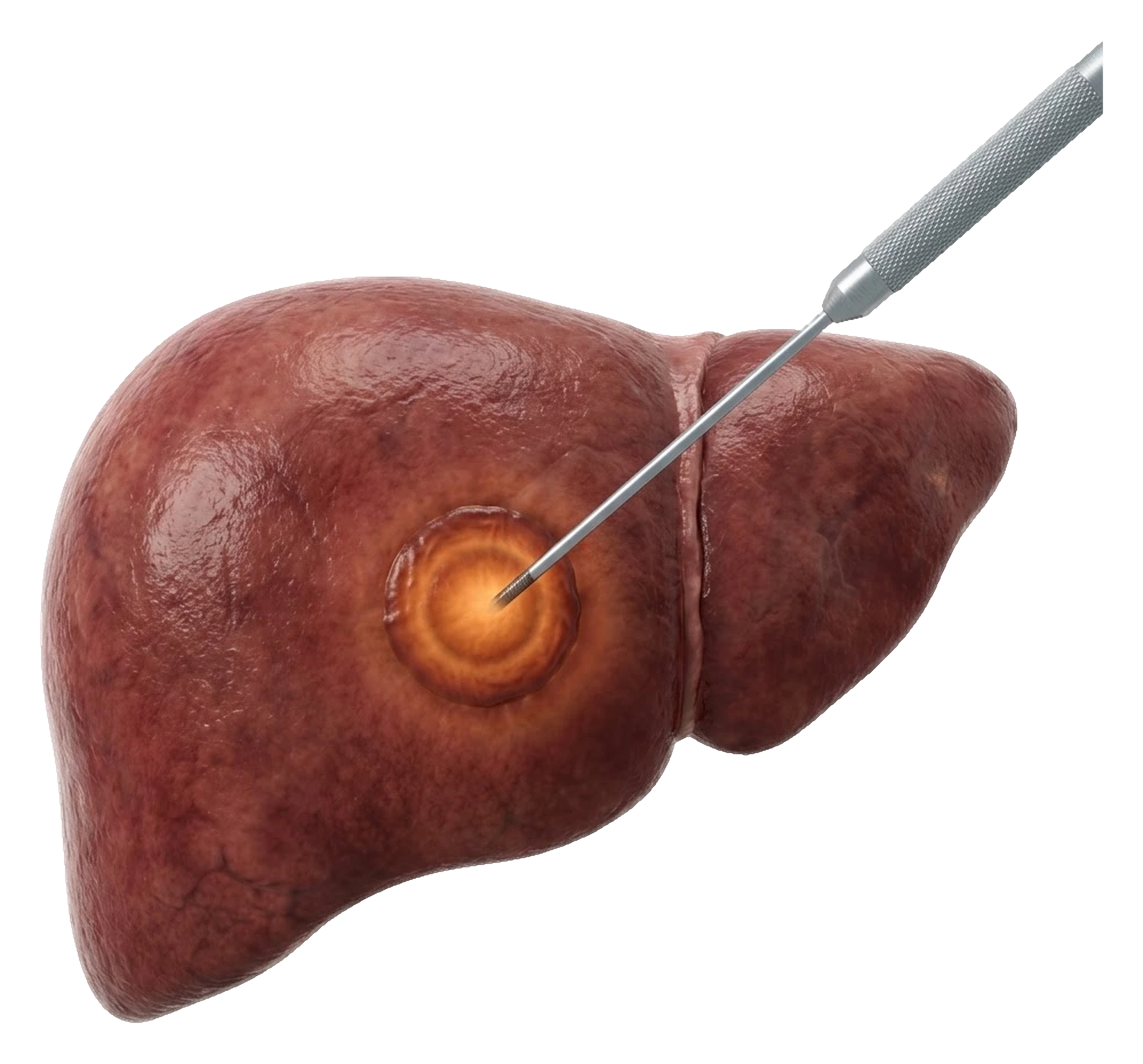
Trans-Arterial Chemo-Embolization delivers concentrated chemotherapy directly to a liver tumour through its blood supply, sparing healthy liver tissue.
About TACE
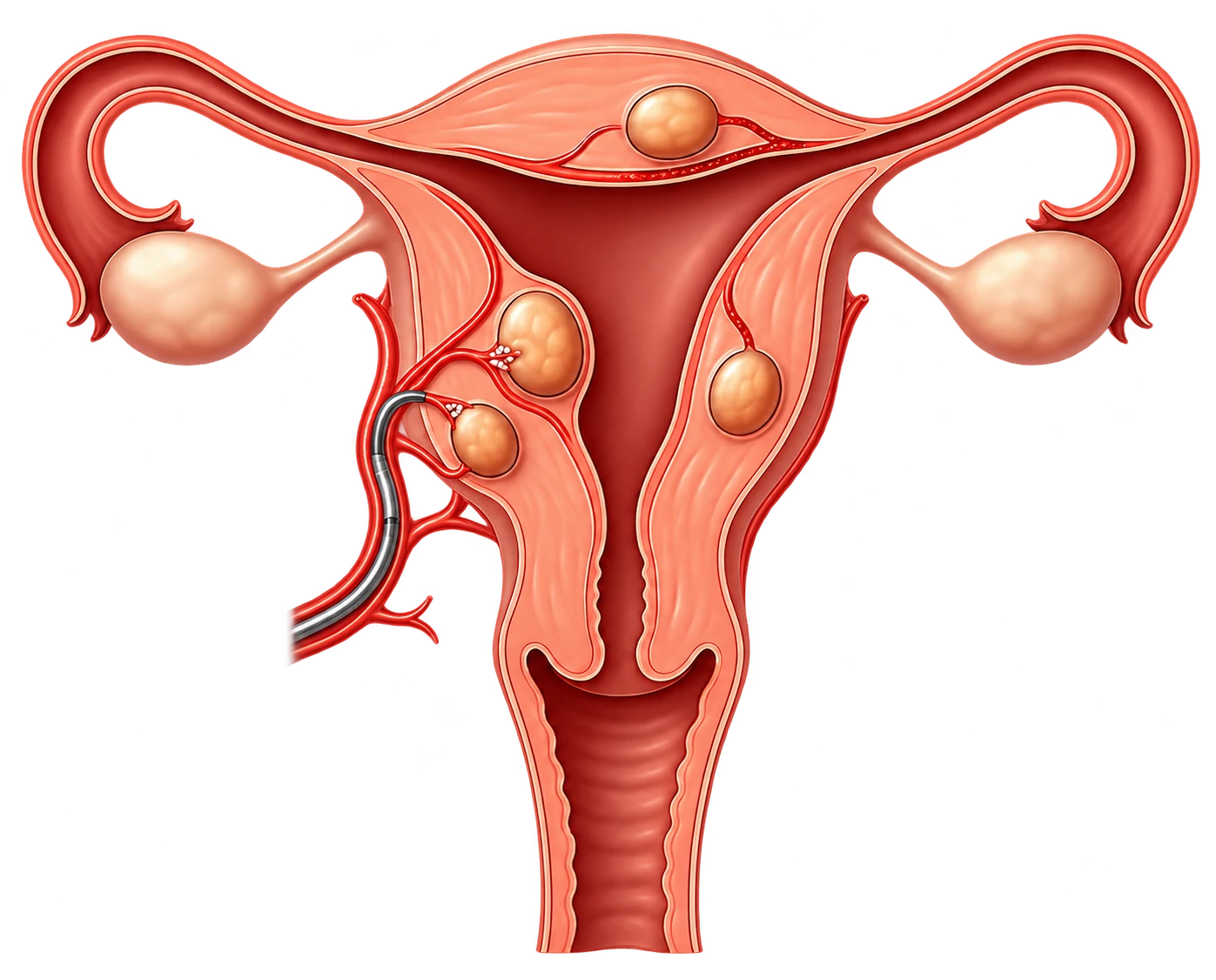
Trans-Arterial Chemoembolization (TACE) is an image-guided liver cancer treatment for hepatocellular carcinoma (HCC) and selected metastatic liver tumours. At Clinic Seven in Hyderabad, an Interventional Radiologist places a fine catheter through the groin artery, super-selects the small artery feeding the tumour, and delivers a concentrated dose of chemotherapy (often loaded on drug-eluting beads) directly into the tumour, followed by embolic particles that block its blood supply.
This gives the tumour a very high local dose with far fewer whole-body chemotherapy side effects than intravenous chemotherapy, and it spares the healthy liver. TACE is recommended by BCLC and AASLD guidelines as a standard treatment for intermediate-stage HCC, and as bridging or downstaging therapy for patients on the liver transplant waiting list.
- Recommended by BCLC and AASLD guidelines for intermediate-stage HCC.
- Used as bridge therapy while awaiting liver transplant.
- Targets the tumour directly through its feeding artery.
- Objective tumour response in around 50-70% of treated lesions.




Personalized scenarios are presented during consultation. Individual results may vary.
Symptoms of Liver Cancer (HCC & liver tumours)
Early liver cancer is often silent and found on a scan during cirrhosis surveillance. As tumours grow, symptoms may include:
- A dull ache or discomfort in the upper right abdomen
- Unexplained weight loss and loss of appetite
- Ongoing fatigue and weakness
- Feeling full after only small meals
- Abdominal swelling (ascites)
- Yellowing of the eyes or skin (jaundice)
- A rising AFP or a new liver lesion on surveillance
If these symptoms sound familiar, book an evaluation with Dr. Nagateja Bonala at Clinic Seven, Hyderabad.
- •Advanced liver failure (Child–Pugh C) in most cases
- •Main portal vein tumour thrombosis, which needs alternative therapy
- •Extensive tumour spread outside the liver
- •Uncorrectable clotting problems
How the TACE procedure works
Every step is planned and performed under image guidance by an Interventional Radiologist at Clinic Seven, Hyderabad.
- 01
Case Review
A multidisciplinary team reviews imaging and confirms candidacy for TACE.
- 02
Access
A slim catheter is guided from the groin into the hepatic artery.
- 03
Selective Delivery
Chemotherapy loaded on micro-beads is delivered directly to the tumour.
- 04
Embolization
The tumour's blood supply is blocked, starving it while sparing healthy liver.
TACE vs surgery and systemic chemotherapy
| Factor | TACE | Liver resection / IV chemotherapy |
|---|---|---|
| Approach | Catheter into the tumour's own artery | Open resection or whole-body drug |
| Drug delivery | Concentrated inside the tumour | Whole liver or whole body |
| Healthy liver | Spared | Resection removes tissue; chemo affects the whole body |
| When surgery is not possible | Yes (intermediate-stage or bridge) | Not applicable |
| Repeatable | Yes, as part of a plan | Limited |
| Anaesthesia | Local with sedation | General for surgery |
The right choice depends on your scans, symptoms and goals. Your Interventional Radiologist will talk you through both options at your consultation.
Recovery timeline
Most patients treated at Clinic Seven follow a predictable recovery path with a follow-up review scheduled at the first visit.
- Observation for 1-2 nights.
- Mild symptoms managed with medicine.
- Scan review in 4-6 weeks.
Risks and safety
Every procedure carries some risk. These are the ones your Interventional Radiologist will review before TACE.
- Post-embolization syndrome (fever, mild pain, fatigue).
- Temporary rise in liver enzymes.
- Rare biliary or vascular complications.
What affects the cost
The cost of TACE for liver cancer in Hyderabad depends on the chemoembolization agent (conventional versus drug-eluting beads), the number of sessions and the hospital category. Most cancer schemes and insurance policies cover TACE as part of guideline-based liver cancer care.
For a personalised estimate and insurance guidance, contact Clinic Seven with your recent reports.
- Conventional TACE versus drug-eluting beads
- Number of sessions planned
- Hospital and room category
- Triphasic CT/MRI and liver function workup
- Insurance, cancer scheme and cashless approval
Get a rough idea of the cost
Choose what matters to you and we will show a guide. Nobody is committed to anything, and our team will never rush you.
Is your insurance accepted?
Cashless with major insurers, TPAs and office group policies. CGHS and Singareni on credit.
Popular searches
Cover is confirmed by our team after checking your policy and treatment plan.
View all insurersDr. Nagateja Bonala
Dr. Nagateja Bonala is the Interventional Radiologist at Clinic Seven, Hyderabad, with 13+ years of image-guided practice. Every TACE case is planned personally with a review of your scans and reports.
Plan your next step
Bring your recent scans, blood tests and any prior specialist notes. Message us on the contact page for directions, timings and insurance guidance.
Questions about TACE
TACE stands for Trans-Arterial Chemoembolization. A catheter is guided into the hepatic artery branch supplying the tumour, chemotherapy is delivered directly into the lesion, and the feeding vessel is then blocked so the drug stays inside the tumour and the tumour is starved of blood.
TACE is used for intermediate-stage HCC (BCLC stage B), selected metastatic liver tumours, and as bridging or downstaging therapy for transplant candidates. Liver function, tumour size and number, and portal vein status are reviewed by a multidisciplinary team.
Objective tumour response is reported in around 50-70% of treated lesions. TACE improves survival compared with best supportive care alone in properly selected BCLC B patients, based on AASLD and BCLC data.
Post-embolization syndrome, meaning fever, tiredness, nausea and right upper abdominal pain for a few days, is the most common side effect. Liver enzymes rise briefly. Serious complications such as biliary injury or liver failure are uncommon in well-selected patients.
This depends on tumour response and remaining liver reserve. Some tumours are controlled with a single session, while many patients receive 2-4 sessions over months to keep the disease in check.
The procedure itself is done under local anaesthesia with sedation and is not usually painful. Mild to moderate right upper abdominal pain, controlled with medicine, is expected for 2-3 days after treatment.
Yes. TACE is often combined with microwave ablation, radiofrequency ablation, oral targeted therapy or immunotherapy, planned by a liver tumour board that includes hepatology, oncology and surgical oncology.
TACE for liver cancer is offered at Clinic Seven, Hyderabad by Dr. Nagateja Bonala, with a multidisciplinary review that includes hepatology and surgical oncology. Please bring your triphasic CT or MRI, AFP and liver function reports.
Related treatments at Clinic Seven
Minimally invasive, image-guided options by Dr. Nagateja Bonala in Hyderabad.