Prostate Artery Embolization (PAE) in Hyderabad Rest easier.
Live uninterrupted.
A minimally invasive option for urinary symptoms and a quicker recovery.
Relief can begin without major surgery.
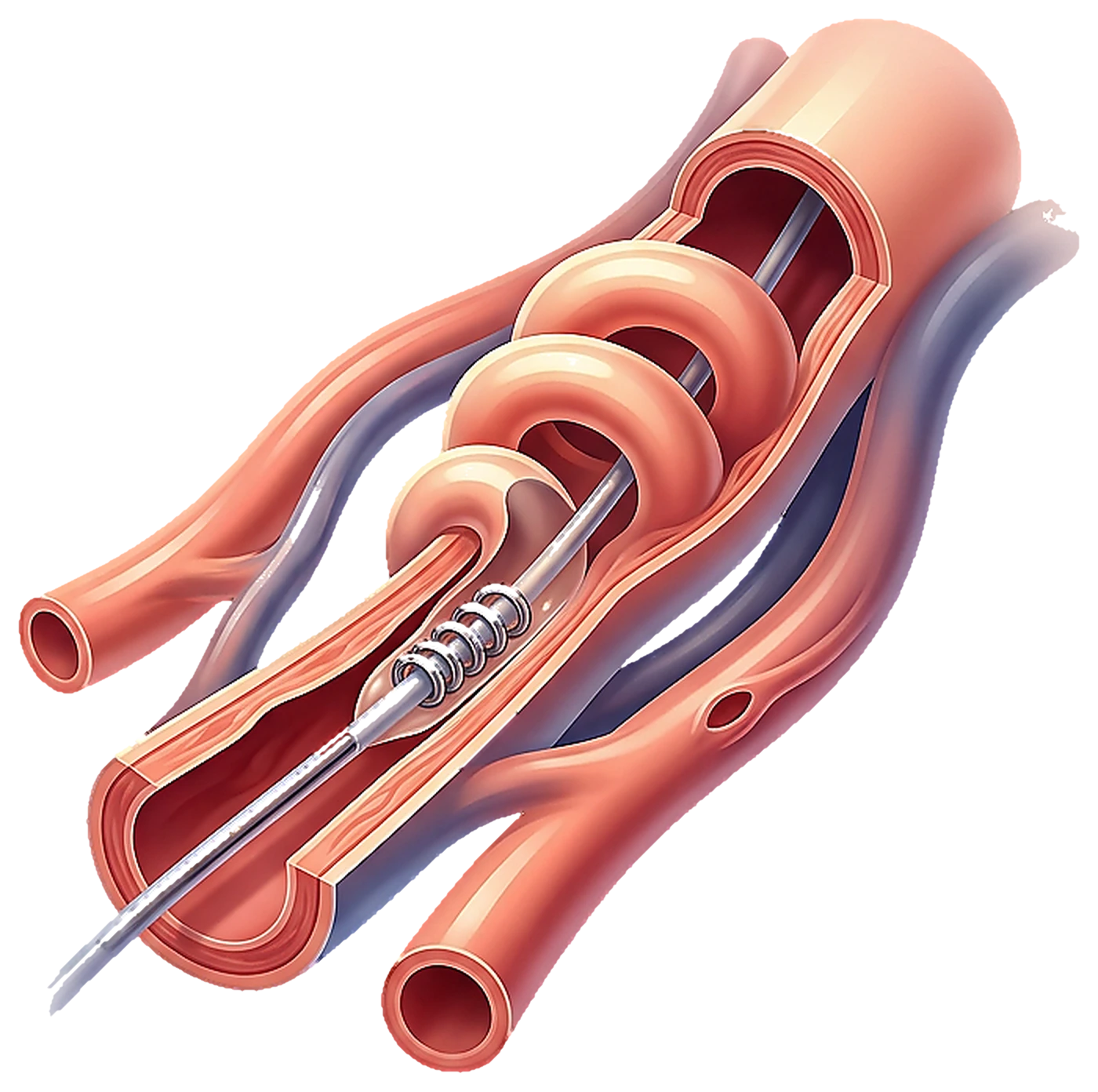
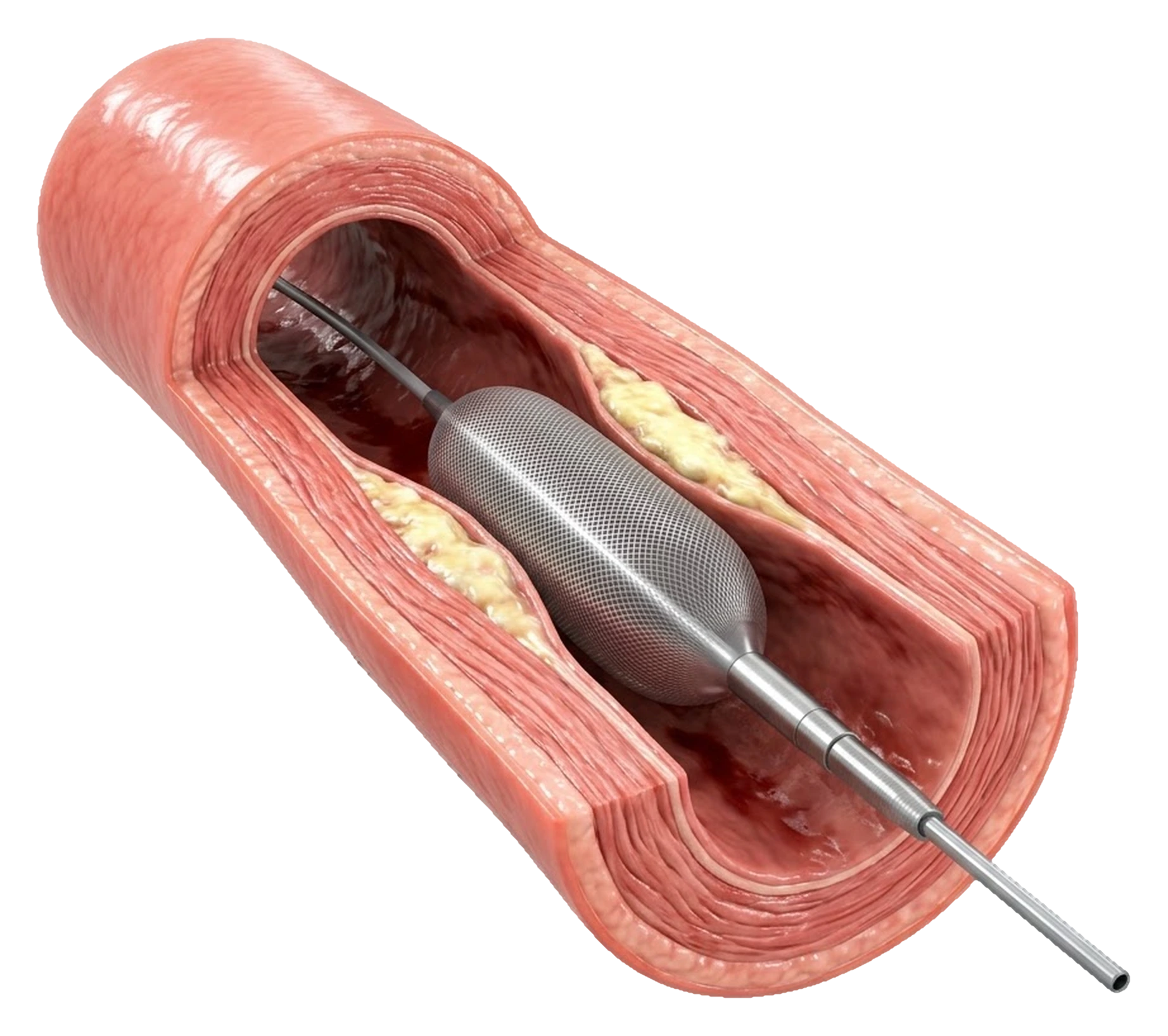
PAE reduces blood flow to the enlarged prostate through a small arterial access point.
A non-surgical option for an enlarged prostate, reducing gland size and urinary symptoms while preserving sexual function.
About PAE
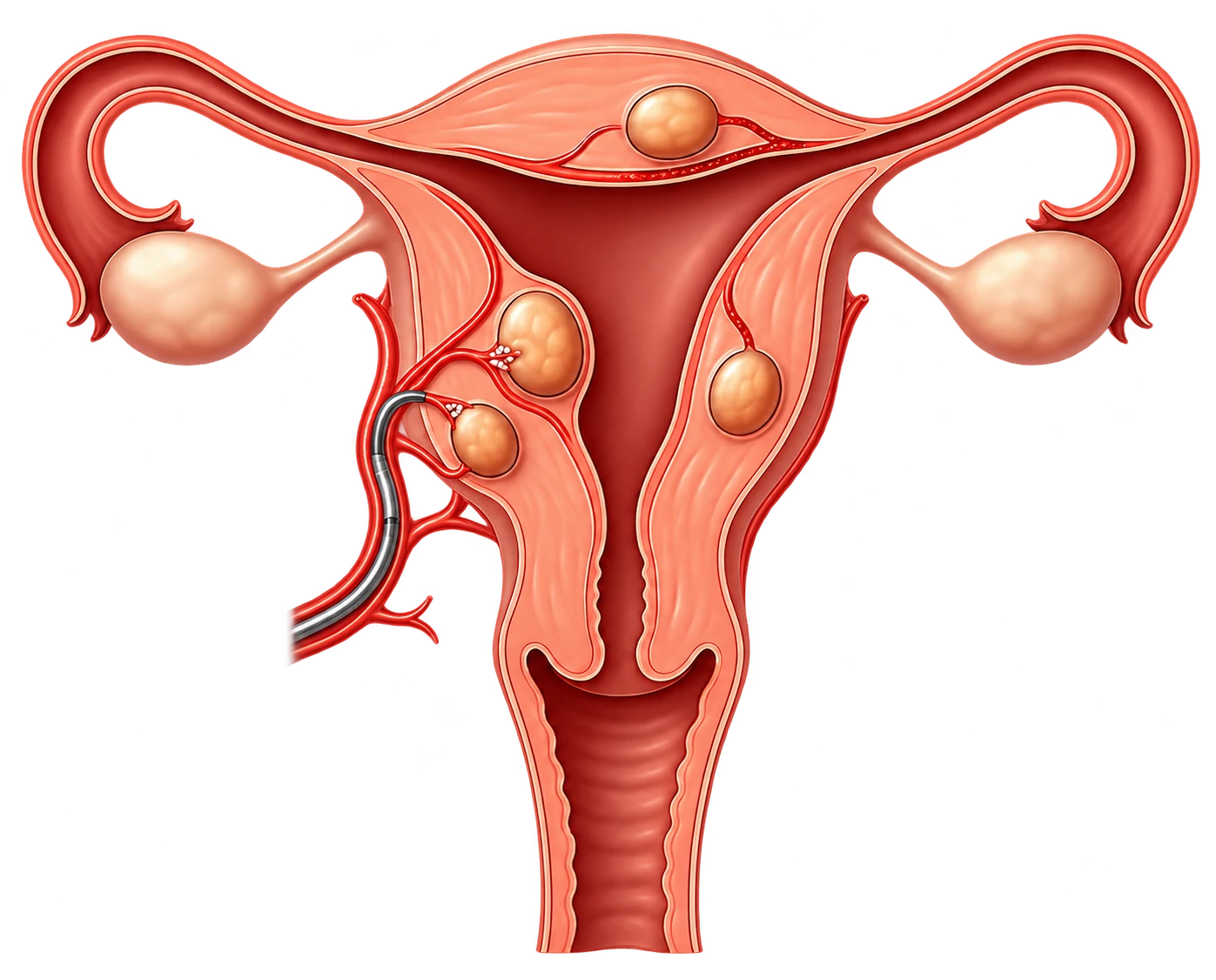
Prostate Artery Embolization (PAE) is a non-surgical, image-guided treatment for benign prostatic hyperplasia (BPH), an enlarged prostate causing weak urinary stream, urgency, frequency, nocturia or urinary retention. At Clinic Seven in Hyderabad, an Interventional Radiologist places a fine catheter through the wrist or groin artery and releases calibrated micro-particles into the tiny arteries feeding the enlarged prostate.
The gland then shrinks over 3-6 months and urinary symptoms improve, without cutting or removing any prostate tissue. PAE is recognised as a BPH treatment option by NICE guidance IPG611 and the Society of Interventional Radiology, and is especially useful for very large prostates over 80 grams, men on blood thinners, and men who want to preserve sexual and ejaculatory function that is often affected by TURP surgery.
- Recognised by NICE (UK) as a BPH treatment option (IPG611).
- Preserves sexual and ejaculatory function better than TURP in comparative studies.
- Especially useful for very large prostates over 80 grams.
- Safe for men on blood thinners or with cardiac issues.




Personalized scenarios are presented during consultation. Individual results may vary.
Symptoms of Enlarged Prostate (BPH)
PAE is considered for men whose enlarged prostate causes bothersome urinary symptoms that disturb sleep and daily life:
- A weak or slow urinary stream
- Difficulty starting urination
- Frequent urination, especially at night (nocturia)
- A sudden, hard-to-control urge to pass urine
- A feeling of incomplete bladder emptying
- Dribbling at the end of urination
- Repeated urinary retention or catheter dependence
- Blood in the urine from an enlarged prostate
If these symptoms sound familiar, book an evaluation with Dr. Nagateja Bonala at Clinic Seven, Hyderabad.
- •Suspected or confirmed prostate cancer, which needs its own pathway
- •Urinary symptoms coming from the bladder or a neurological cause
- •Severe atherosclerosis that prevents safe artery access
- •Active urinary infection until treated
How the PAE procedure works
Every step is planned and performed under image guidance by an Interventional Radiologist at Clinic Seven, Hyderabad.
- 01
Access
A tiny puncture in the wrist or groin allows a slim catheter into the artery.
- 02
Selective Mapping
Angiography identifies the small arteries feeding the prostate.
- 03
Embolization
Micro-particles gently block those arteries, starving the enlarged gland.
- 04
Shrinkage
The prostate shrinks over 3-6 months, easing urinary symptoms.
PAE vs TURP prostate surgery
| Factor | PAE | TURP / prostate surgery |
|---|---|---|
| Access | Pinhole in the wrist or groin artery | Through the urethra or open surgery |
| Anaesthesia | Local anaesthesia | Spinal or general |
| Ejaculation | Preserved in most men | Retrograde ejaculation common |
| Very large prostate (>80 g) | Well suited | More challenging |
| On blood thinners | Usually feasible | Higher bleeding risk |
| Hospital stay | Day care or one night | 1–3 days |
The right choice depends on your scans, symptoms and goals. Your Interventional Radiologist will talk you through both options at your consultation.
Recovery timeline
Most patients treated at Clinic Seven follow a predictable recovery path with a follow-up review scheduled at the first visit.
- Same-day or overnight stay.
- Routine in 2-3 days.
- Symptoms improve in 4-12 weeks.
Risks and safety
Every procedure carries some risk. These are the ones your Interventional Radiologist will review before PAE.
- Mild pelvic discomfort in the first week.
- Temporary burning during urination.
- Rare bladder or rectal wall irritation.
What affects the cost
The cost of Prostate Artery Embolization in Hyderabad depends on prostate size, the embolic material and the hospital category. PAE is covered by many insurance plans when medical therapy has failed and symptoms are documented.
For a personalised estimate and insurance guidance, contact Clinic Seven with your recent reports.
- Prostate size on MRI or ultrasound
- Embolic particles used
- Hospital and room category
- PSA, uroflow and imaging workup
- Insurance and cashless approval
Get a rough idea of the cost
Choose what matters to you and we will show a guide. Nobody is committed to anything, and our team will never rush you.
Is your insurance accepted?
Cashless with major insurers, TPAs and office group policies. CGHS and Singareni on credit.
Popular searches
Cover is confirmed by our team after checking your policy and treatment plan.
View all insurersDr. Nagateja Bonala
Dr. Nagateja Bonala is the Interventional Radiologist at Clinic Seven, Hyderabad, with 13+ years of image-guided practice. Every PAE case is planned personally with a review of your scans and reports.
Plan your next step
Bring your recent scans, blood tests and any prior specialist notes. Message us on the contact page for directions, timings and insurance guidance.
Questions about PAE
PAE is a minimally invasive procedure in which a fine catheter is threaded through a wrist or groin artery into the small arteries feeding the enlarged prostate. Tiny particles are released to block those vessels. The prostate shrinks over weeks and urinary symptoms improve, without cutting or removing any prostate tissue.
Around 80-90% of men see meaningful improvement in urinary flow, frequency, urgency, nocturia and IPSS score within 3-6 months of PAE, based on data from the Society of Interventional Radiology, RadiologyInfo and NICE reviews.
TURP removes prostate tissue through the urethra under general or spinal anaesthesia and often affects ejaculation. PAE is a catheter-based procedure done under local anaesthesia through the wrist or groin and is designed to preserve sexual and ejaculatory function.
PAE is specifically designed to protect the blood flow to erectile tissue and to preserve normal ejaculation. Studies show a much lower rate of retrograde ejaculation compared with TURP, which makes PAE attractive for men who value ejaculatory function.
Sustained improvement is reported for at least 5 years in the majority of patients. A small number may need a repeat procedure or medication over time, as the prostate can slowly regrow.
Yes. PAE is often chosen for men on anticoagulants or antiplatelet medicines because the vascular access is small and bleeding risk is very low. Your cardiologist and Interventional Radiologist plan the medication schedule together.
Most men are discharged within 24 hours and return to office work within 2-3 days. Heavy lifting and long-distance travel are usually resumed after 7-10 days.
Yes. Prostate Artery Embolization is offered at Clinic Seven, Hyderabad by Dr. Nagateja Bonala. A recent prostate MRI or ultrasound, PSA and IPSS score help plan the treatment.
Related treatments at Clinic Seven
Minimally invasive, image-guided options by Dr. Nagateja Bonala in Hyderabad.